


Volcanoes along the Pacific Ring of Fire
Where continental plates meet, not only mountains but even volcanoes appear. In places where the earth’s heat reaches the surface, the intensity shapes the landscape – and yet, it is usually cold there. This is no contradiction, but the fascinating reality along the Pacific coast. The American continent is bristling with volcanoes that accompany us from south to north, constantly presenting themselves as big obstacles.
Some have long since been extinct, silently watching over their surroundings. Others are highly active, spewing fire or heating the water around. In any case, they constantly remind us that the entire region stands on shaky ground – a fact made even more obvious by the frequent earthquakes.
The geology of the Americas might not capture every traveller’s interest, but it is precisely what makes travelling the Pan-American Highway so unique. Following the traces of the earth’s creation, we climb impressive craters and jump into numerous thermal pools for a warm-up – or perhaps a cooldown?
Why things are rumbling in the west
The answer to why it bubbles in the west while the Atlantic remains silent lies deep beneath us. The Pacific Ring of Fire is created by so-called subduction: the oceanic plates slide beneath the continental plates of North and South America. Deep down, the rock melts under enormous pressure and extreme heat. Since this magma has a lower density than the surrounding rock, it rises relentlessly.
The entire West Coast is a contact zone thousands of kilometres long, where the double continent meets the powerful forces of the Pacific. It is like a giant conveyor belt: the seabed is constantly being renewed, the plates push under one another, and the magma feeds the volcanic chains that offer a different, spectacular show in every country. Not all volcanoes are of this origin, but perhaps we will share more on that once we have visited Yellowstone in the USA.
Eternal ice and bizarre lagoons
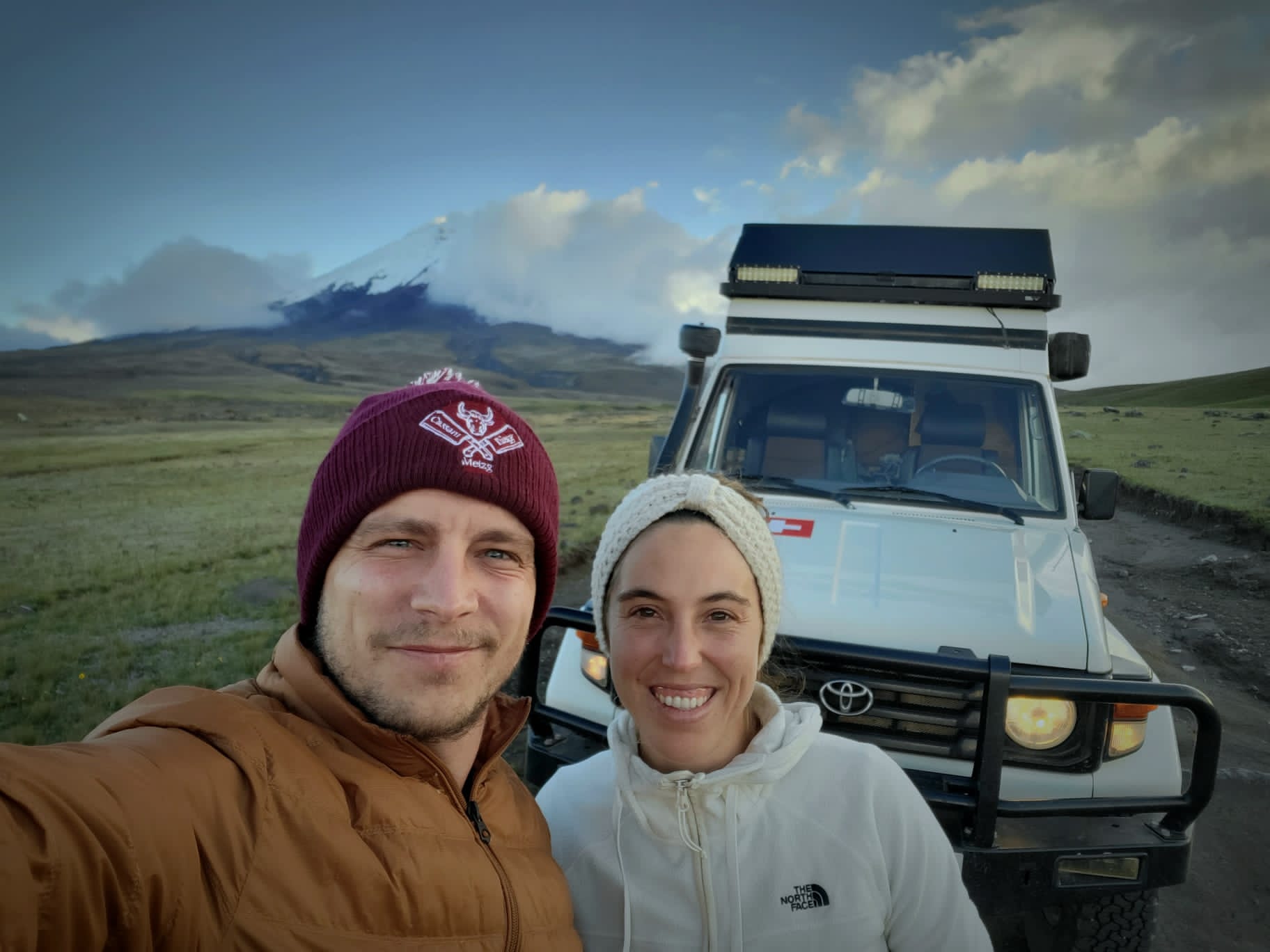
One of our highlights is Cotopaxi. Standing at a proud height of 5897 metres, it is one of the highest active volcanoes in the world.
Its shape is an almost perfect cone. What makes it special: although it lies almost directly on the equator, it wears a cap of eternal ice due to its altitude. During a major eruption, however, this ice melts suddenly, leading to mudslides.
It is particularly impressive because you can drive up its flank to over 4500 metres.
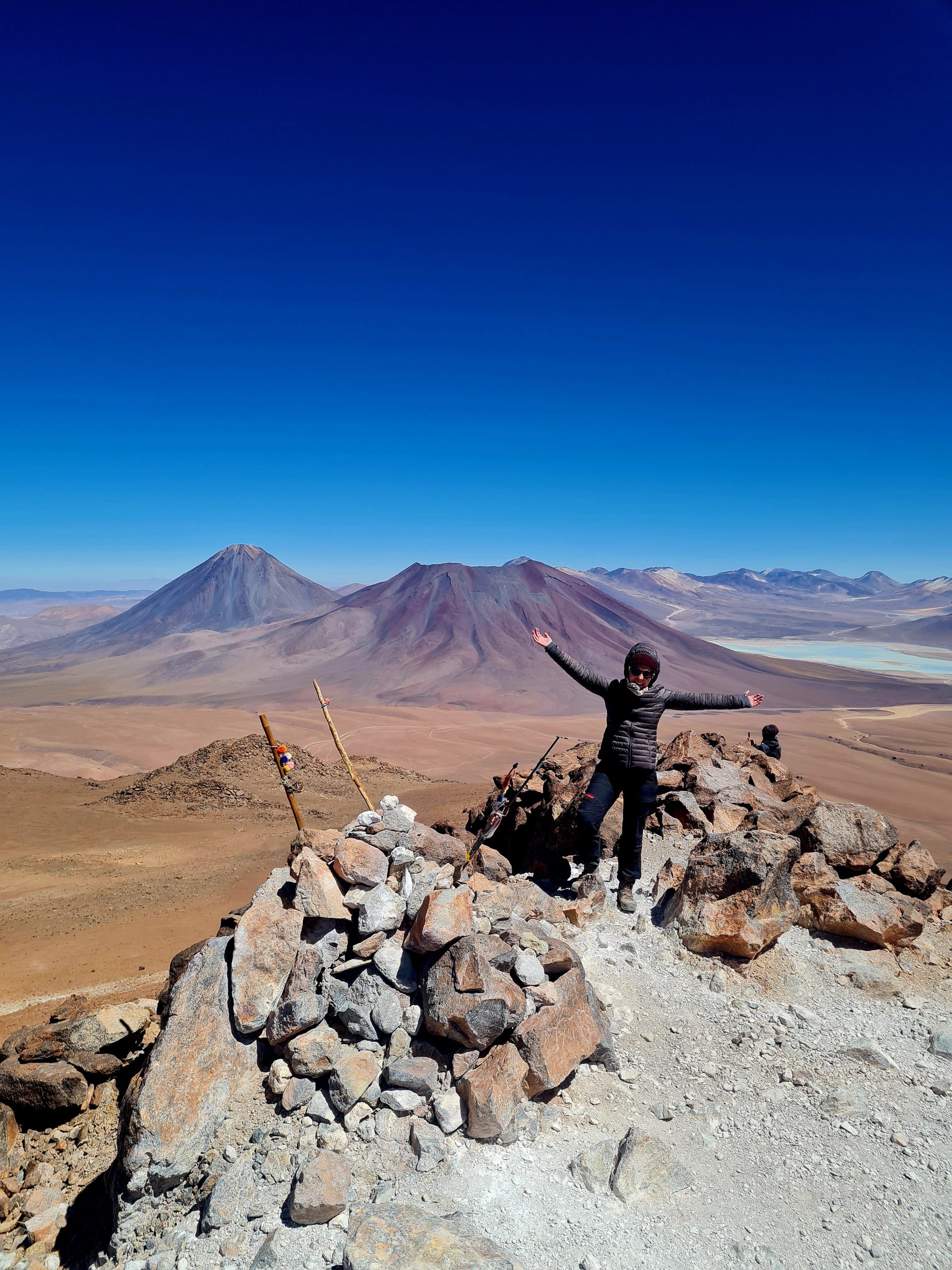
On the famous Lagoon Route through Bolivia, volcanoes also define the landscape. Licancabur, on the border with Chile, in particular, makes the surroundings look like you are on another planet.
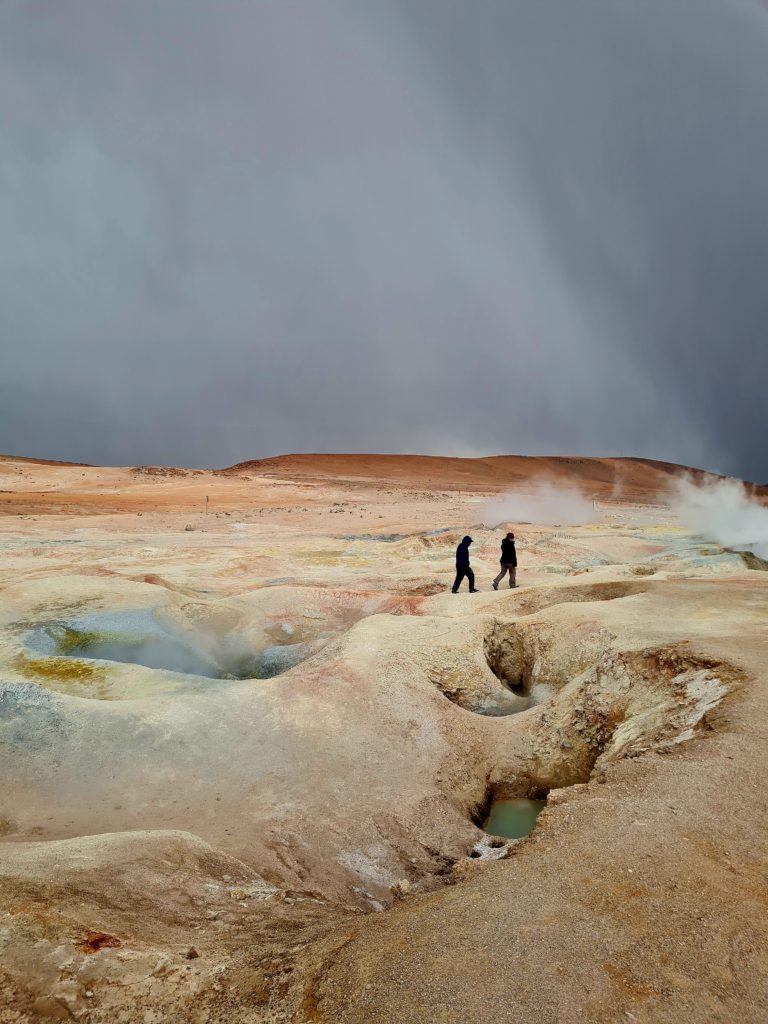
The bubbling geysers in this region also clearly show how active the earth is beneath our feet. Unfortunately, we didn’t drive this stretch in our own car, as we had visitors and it just wasn’t feasible time-wise – a reminder that you simply can’t see everything.
Encounters with the active earth
In Nicaragua, the volcano Masaya was extremely active during our visit. Unfortunately, the path to the crater rim was closed, so we could only observe the massive ash clouds from a distance.
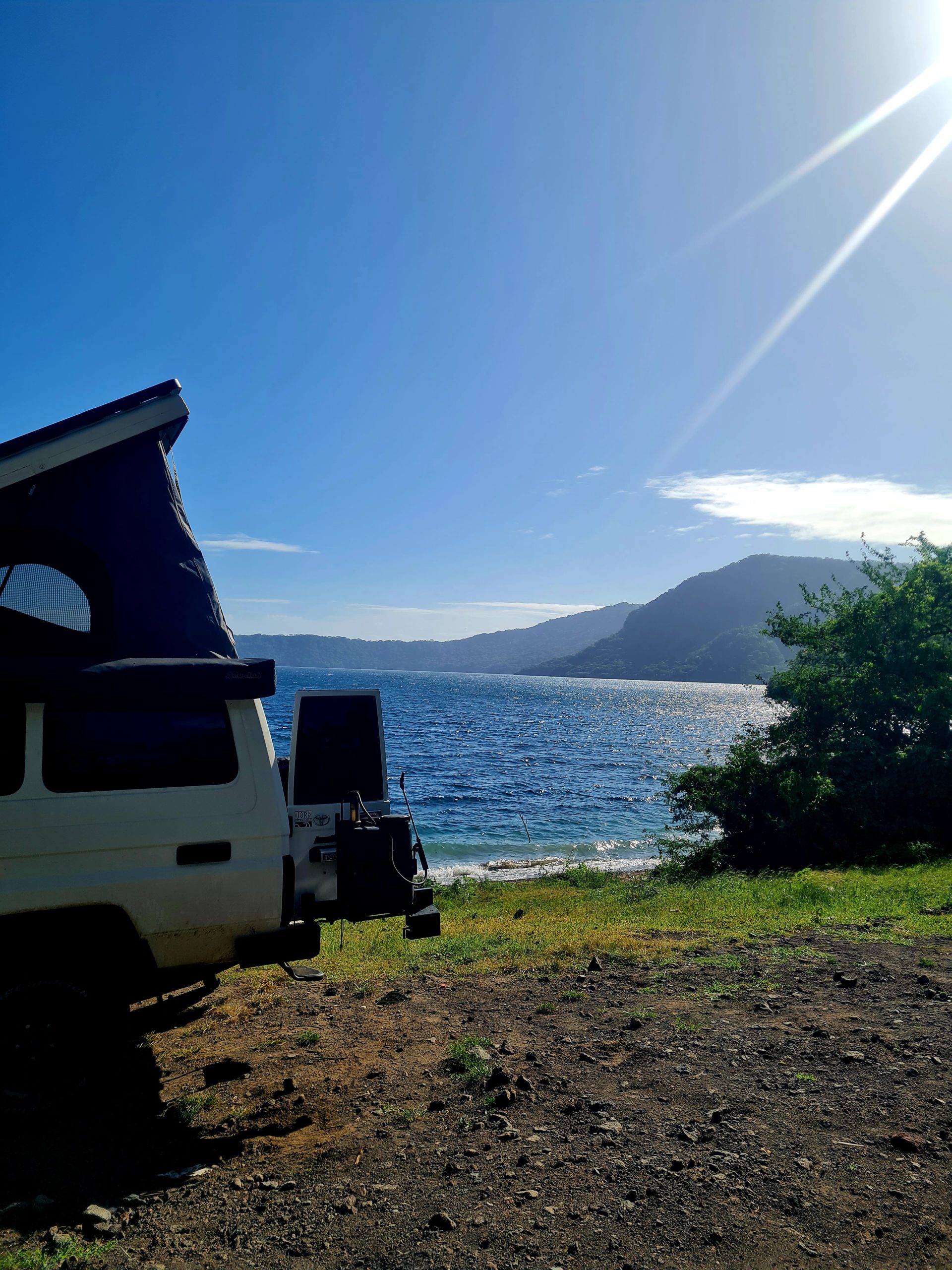
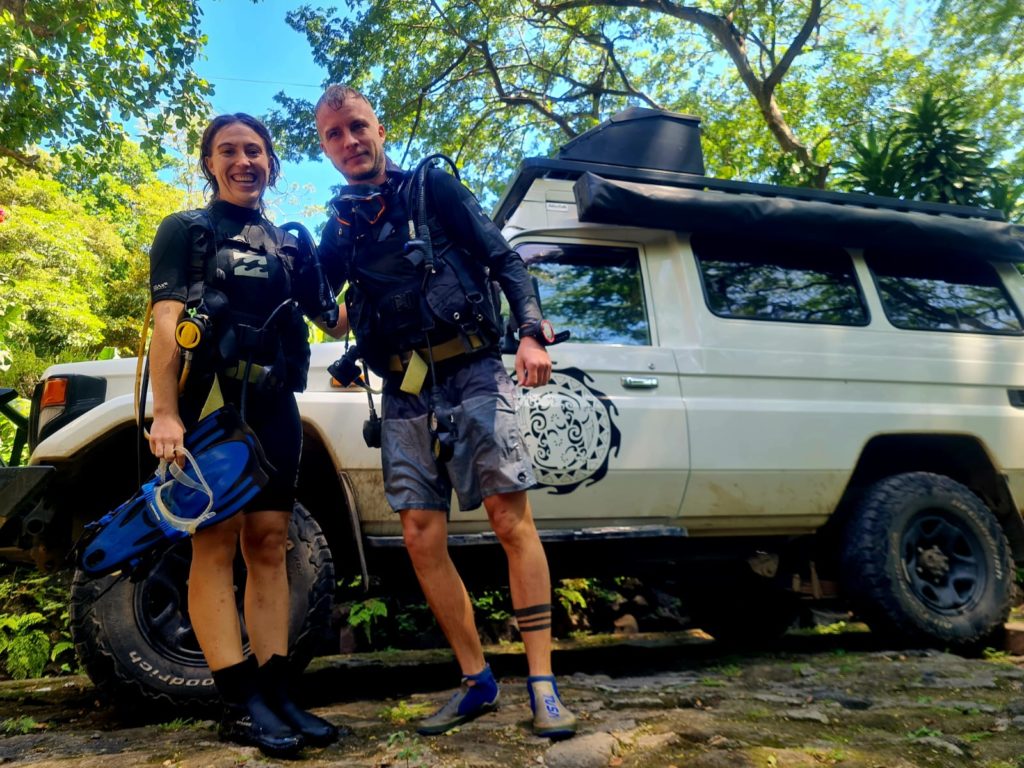
Instead, another adventure awaited: diving in Laguna de Apoyo. This lake lies within an extinct volcanic crater. It was a bizarre experience, as the bottom is warm and feels wobbly like jelly. While the volcano is no longer active, the residual heat in the ground is still clearly palpable.
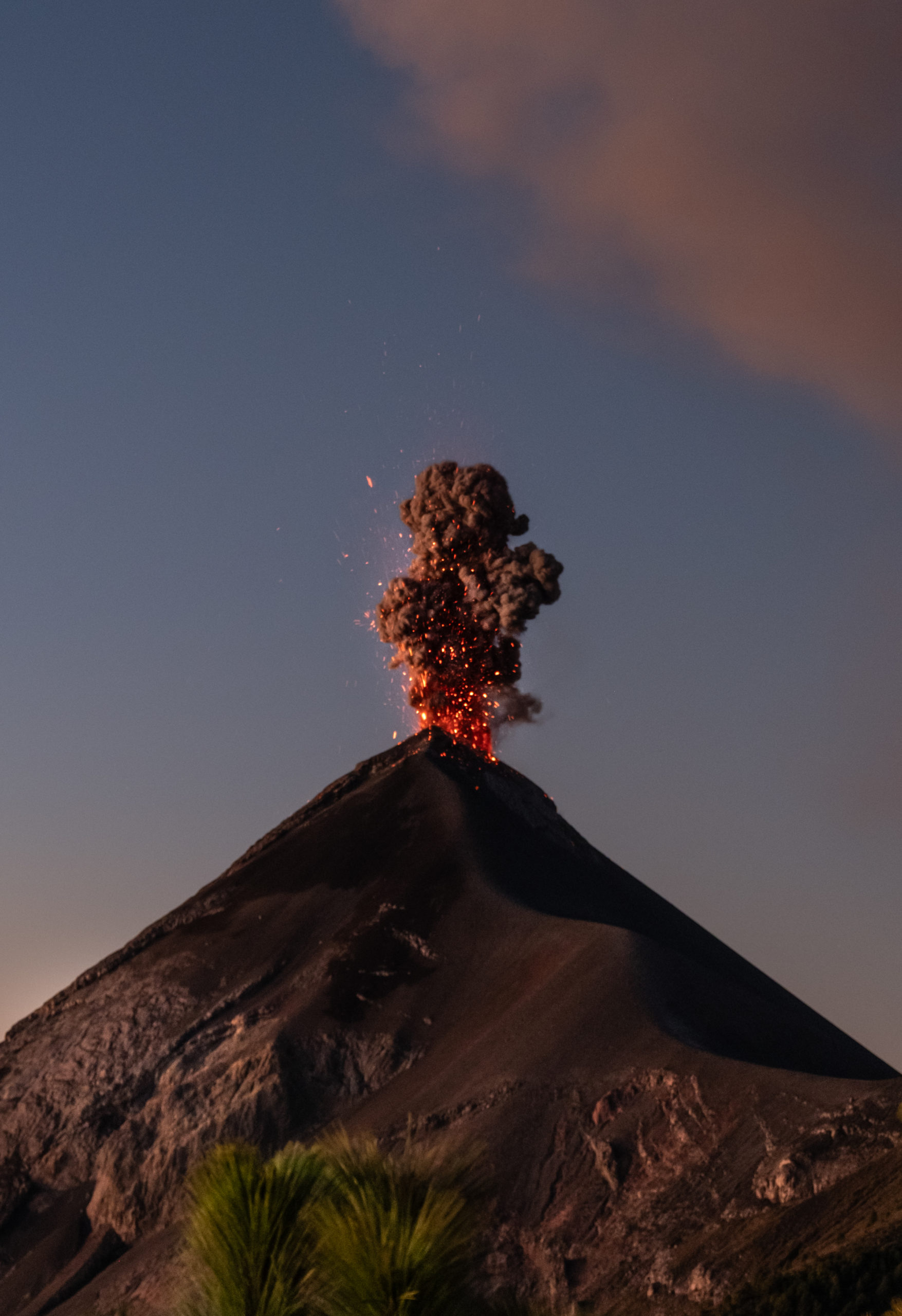
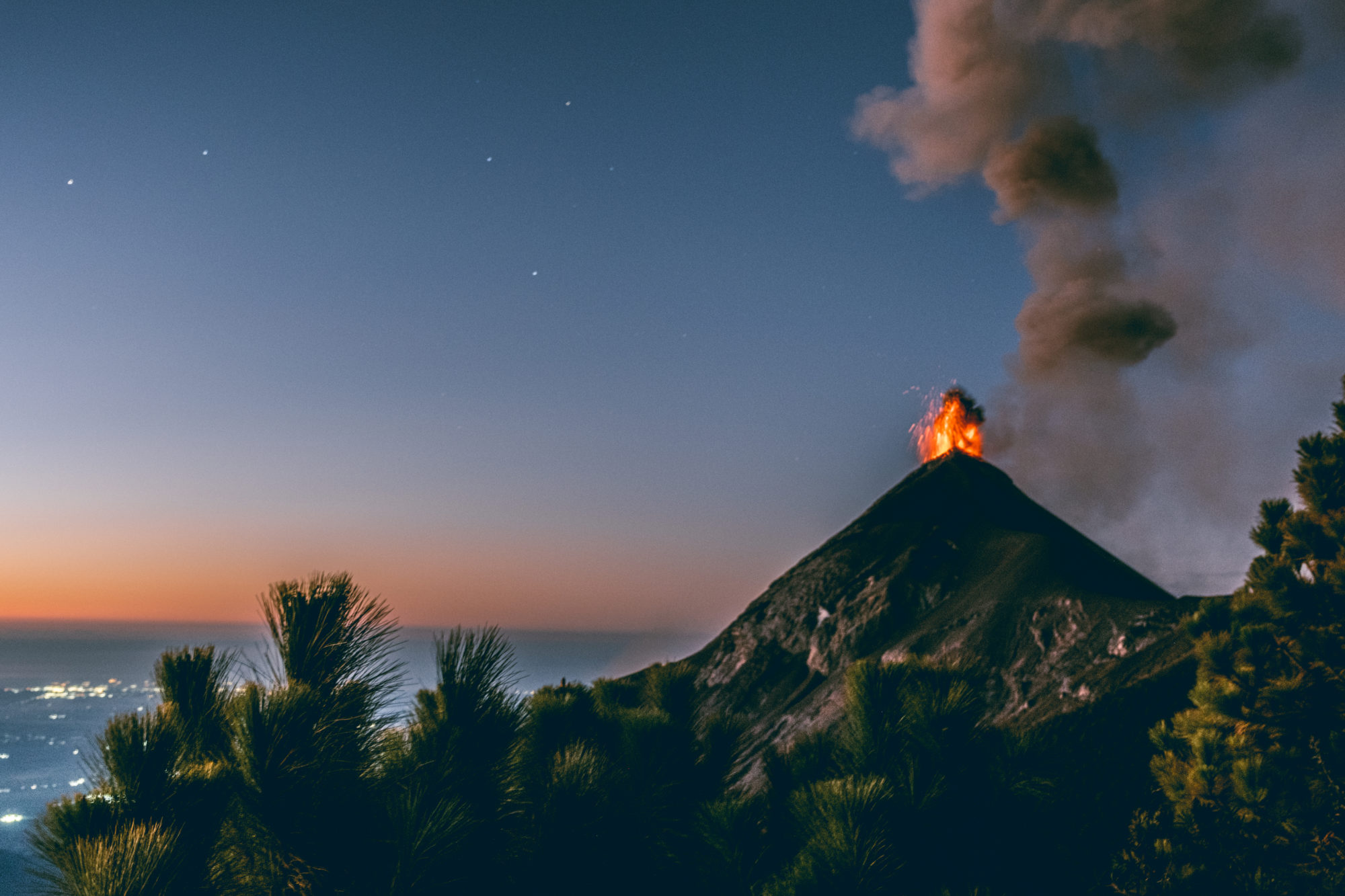
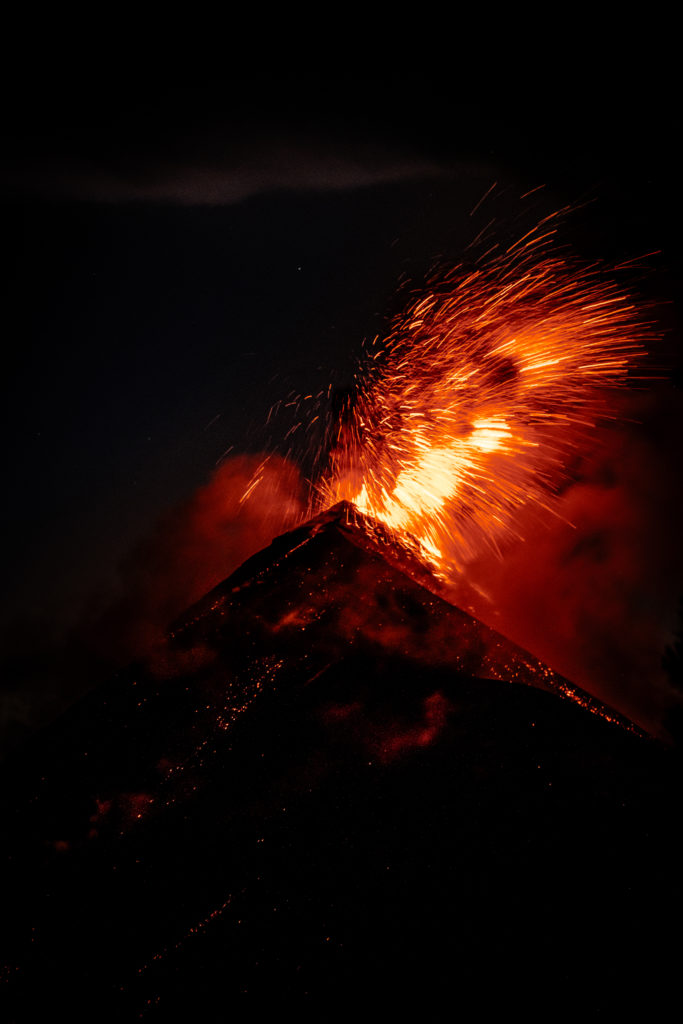
Our absolute highlight so far, however, was Fuego in Guatemala. It is a real powerhouse and currently erupts roughly every 10 to 15 minutes. We climbed the steep path up its twin volcano, Acatenango, to get a clear view.
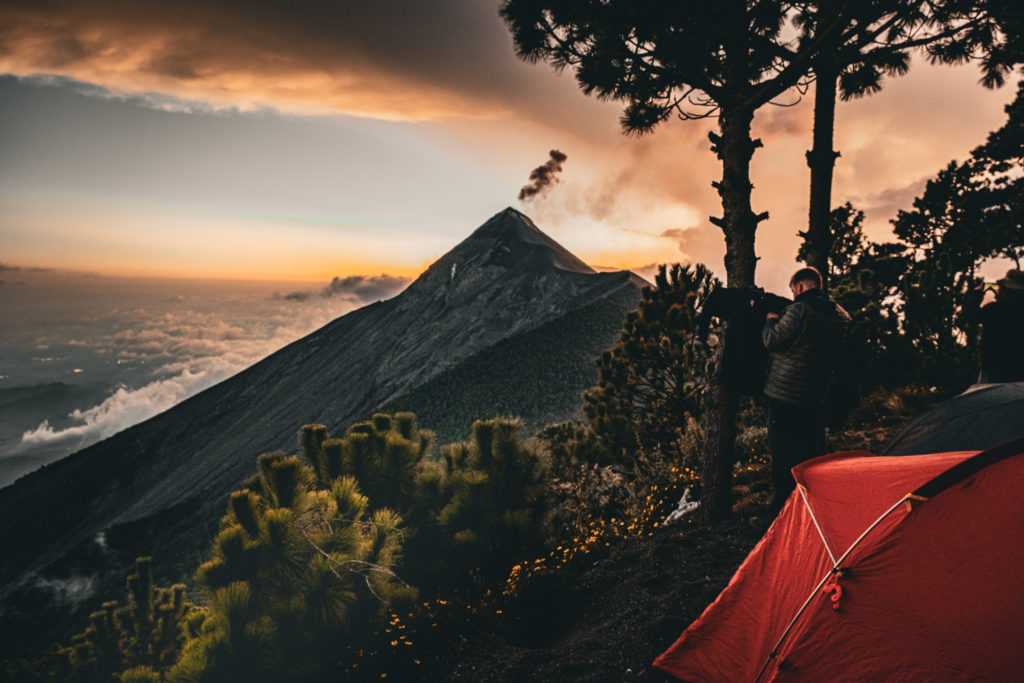
What we found at the top was quite simply spectacular: like a natural firework display, the mountain shakes, spews, and explodes with a loud bang. Sleep was out of the question that night and despite the proximity to the glowing lava, the summit of its neighbour was one thing: ice cold!
Relaxing in the thermal springs of the Panamericana
Fire heats up water too and there are thermal springs all along the route, some more accessible than others. Some are free in the middle of the wilderness; others are part of a resort or heavily commercialised.
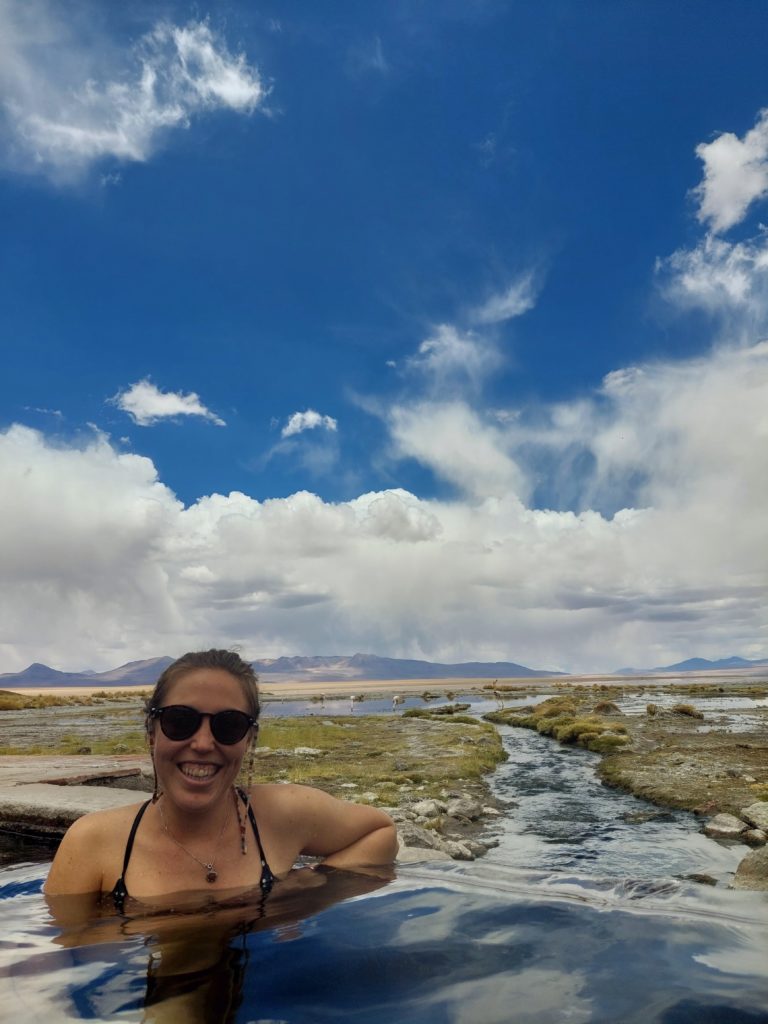
In Bolivia, we were able to warm up in small concrete thermal pools – not exactly stunningly beautiful – whereas we skipped the springs in Costa Rica due to the extremely high prices. Even where it is supposedly free, you have to pay high parking fees. It just wasn’t worth it to us.
In Honduras, on the other hand, we shared the thermals with the locals. But the most spectacular springs so far were in Mexico: Tolantongo. The place is very well known through Instagram, so we thought long and hard about whether we wanted to go. A local finally convinced us that it is almost empty during the week – and he was right.
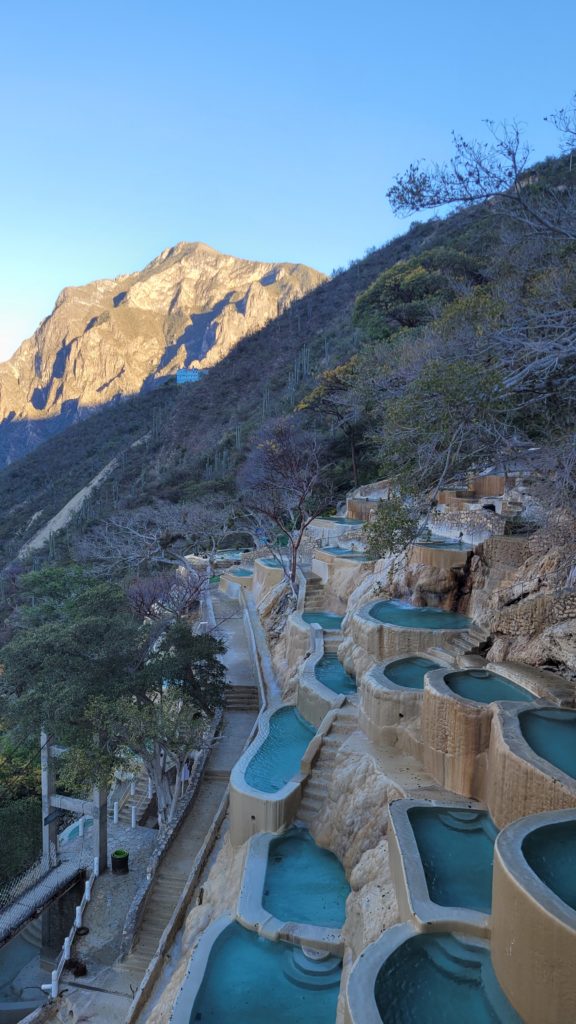
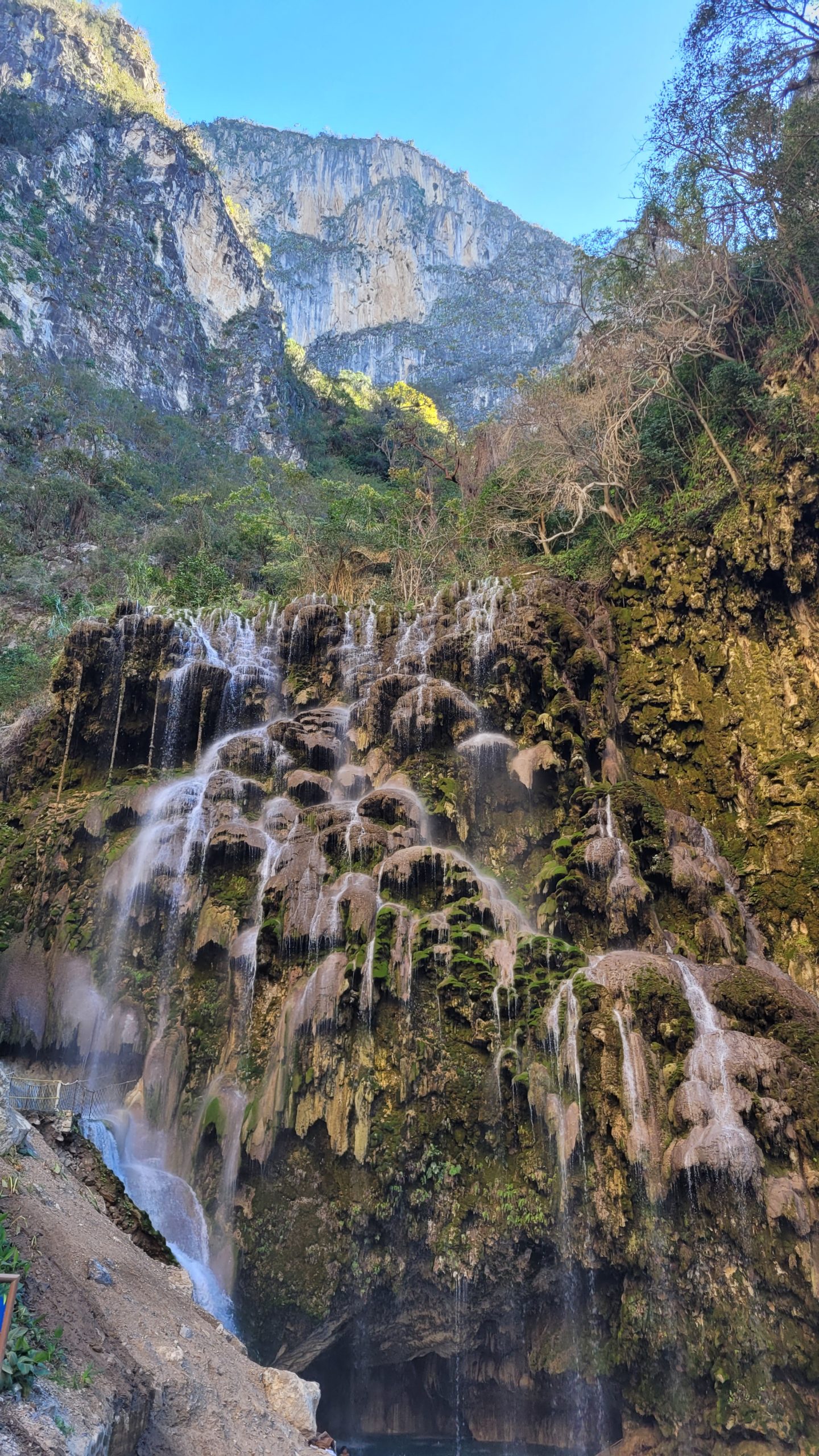
In Tolantongo, you bathe in a cave with a warm waterfall that pours directly out of the rock. Or you can head to the pools – as long as you ignore the hotel complex around them, the view is beautiful, even if the water could have been a bit warmer for my taste.
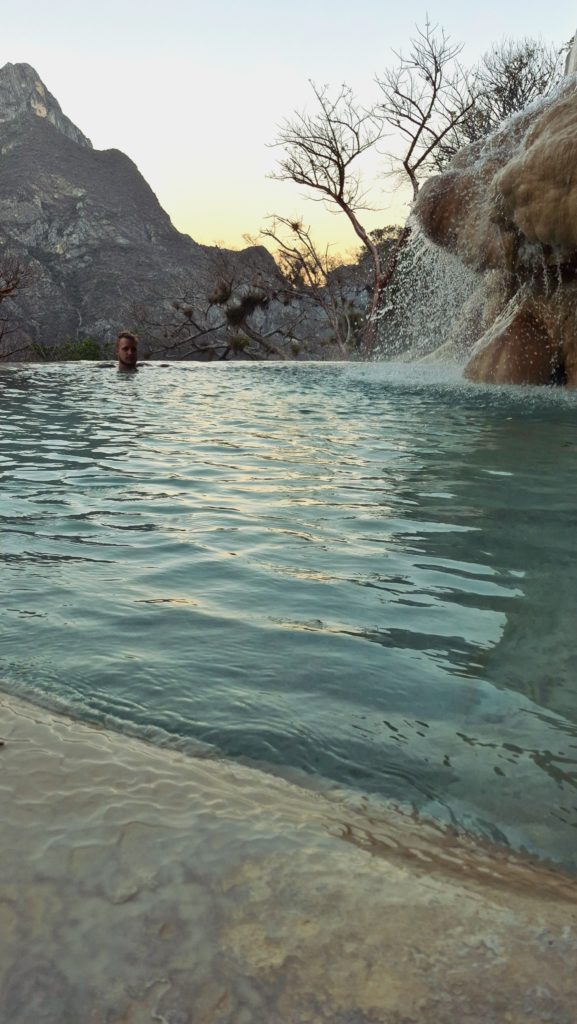
Volcanic activity defines the entire West Coast and there is at least one exciting volcano or a beautiful spring in every country. We are thoroughly enjoying the volcano hikes, the natural fireworks, and the plunges into warm water. But now we are excited to see what surprises await us as we continue our way north.
Pingback:The Gates to the Underworld – and a crystal-clear dark dive – Travel & Wildlife
Pingback:A journey through time: Fossil hunting in the US Midwest – Travel & Wildlife