


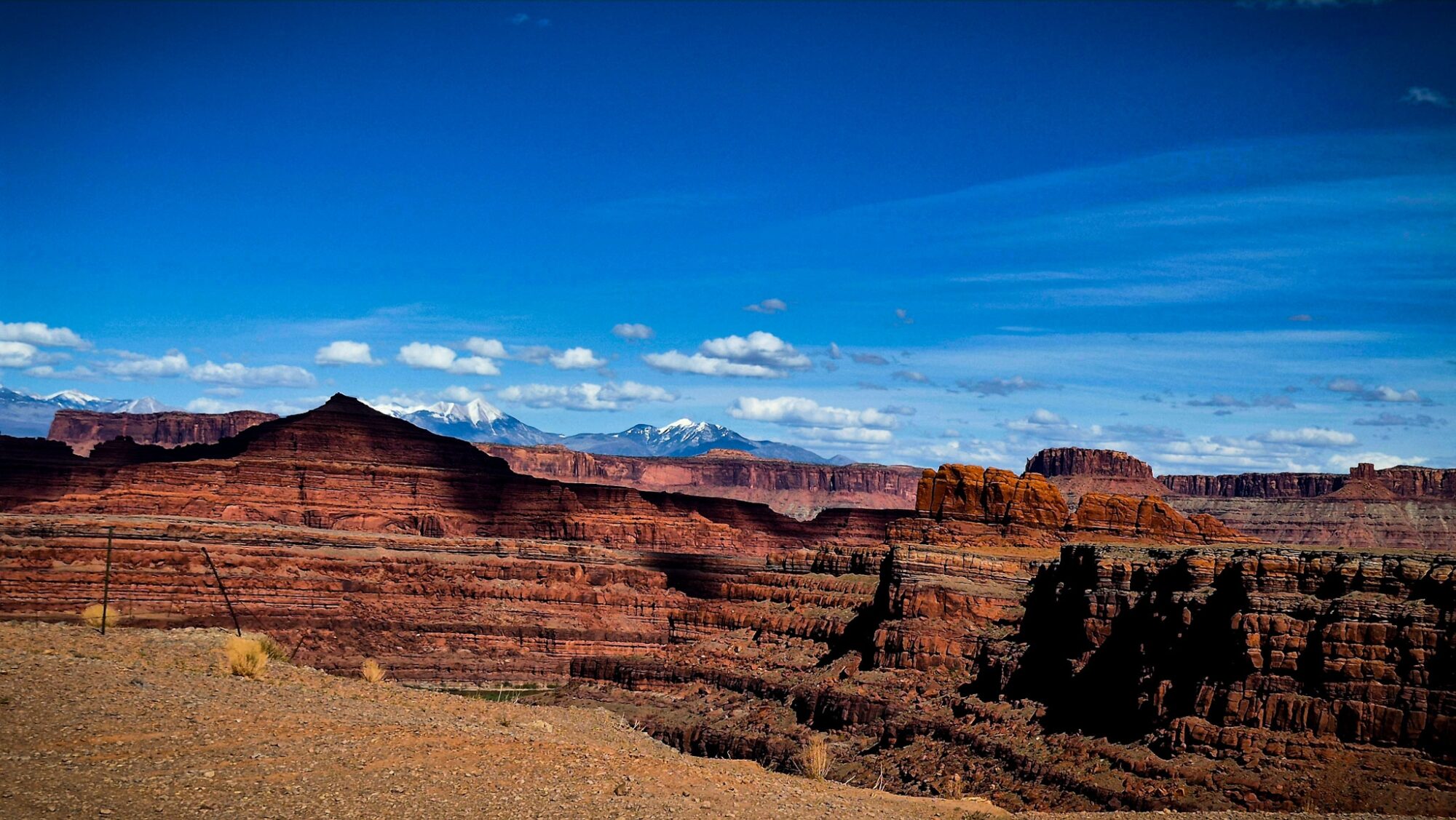
“You can’t miss Utah” – you hear it from all sides. Every traveller we meet recommends that we absolutely must go there. The red rocks that define the national parks are said to be the highlight of the USA. The clear night sky is supposedly one of the most beautiful in the world. The off-road tracks running through the state are considered some of the most exciting and varied anywhere.
Full of expectations, we too set off on our journey to the USA, looking forward to Utah above all else. In the end, however, the red state did not overwhelm us; if anything, it was rather disappointing.
The desert state of Utah is home to five of the most beautiful and famous national parks in the USA. Consequently, it is one of the main travel destinations for both domestic and international tourists. Everyone wants to be photographed under one of the massive stone arches in Utah at least once, especially since a trip to the USA remains a once-in-a-lifetime experience for many.
Where does the red come from? The geology of Utah’s rocks
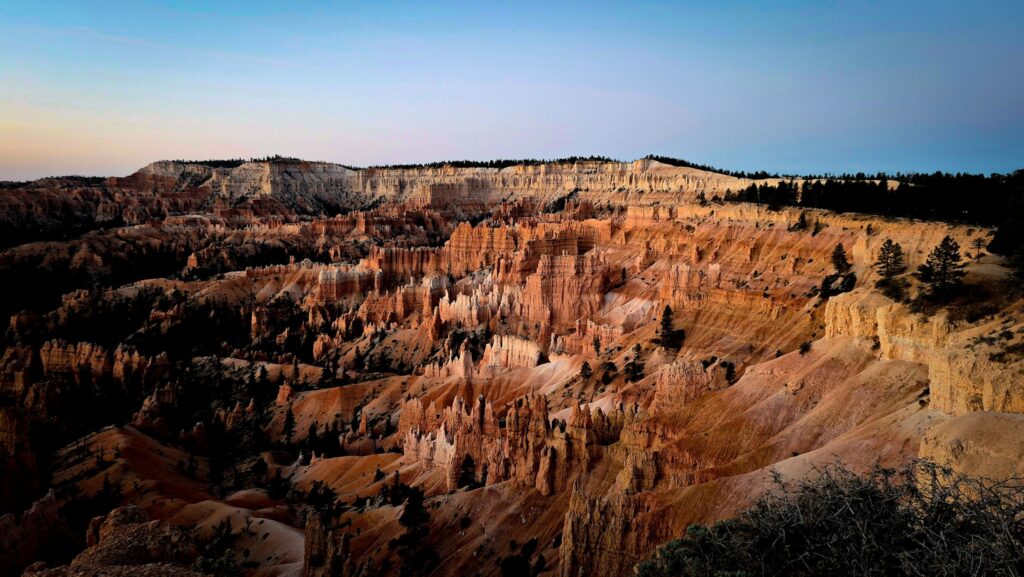
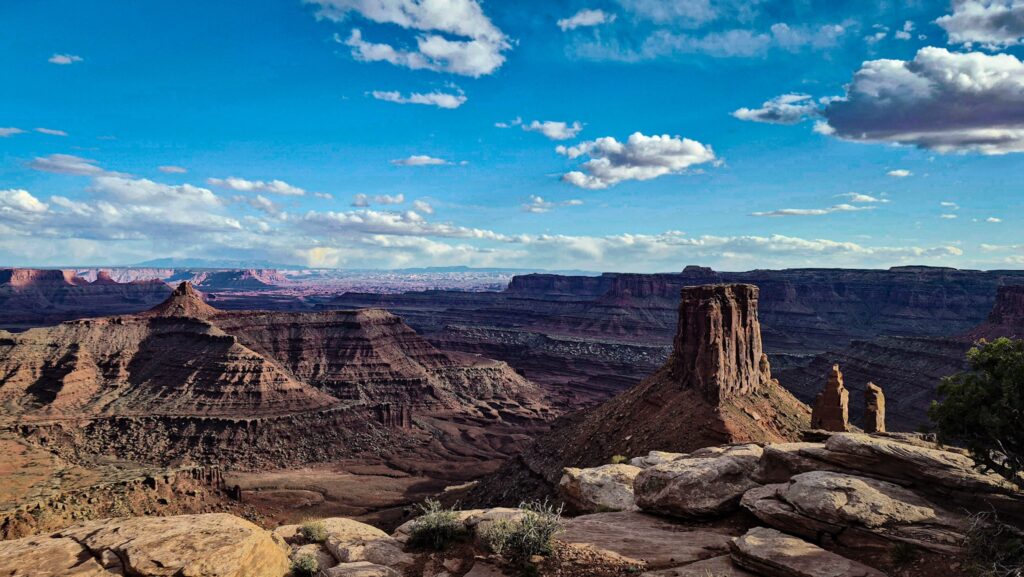
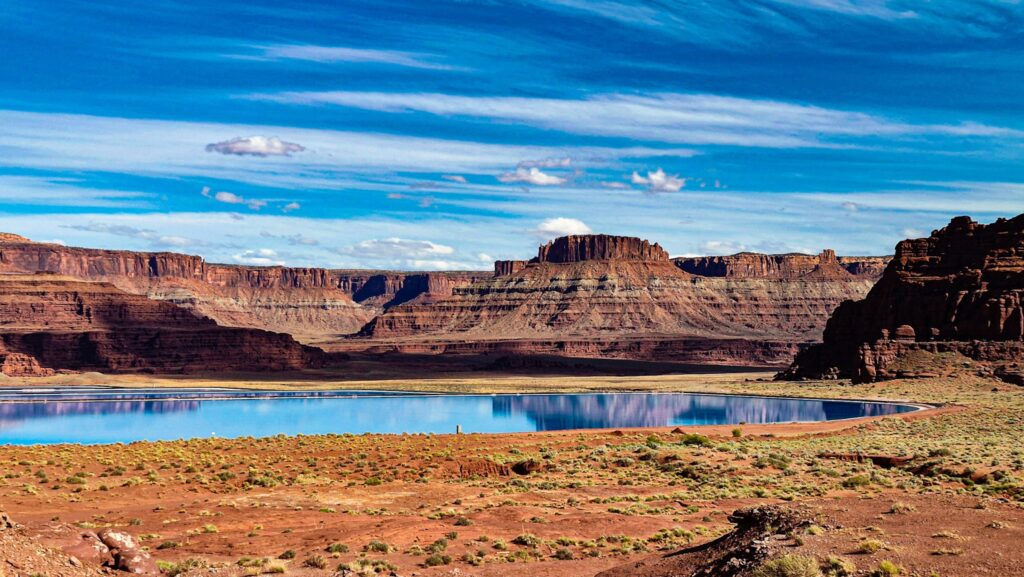
Don’t get us wrong. The nature in Utah is enchanting. The red colour of the earth is caused by oxidation. When the earth erodes, the iron comes into contact with oxygen and oxidises into a red colour: hematite is formed. Hematite is a powerful pigment which then, through further erosion, settles on the sand and rocks. Everything appears red.
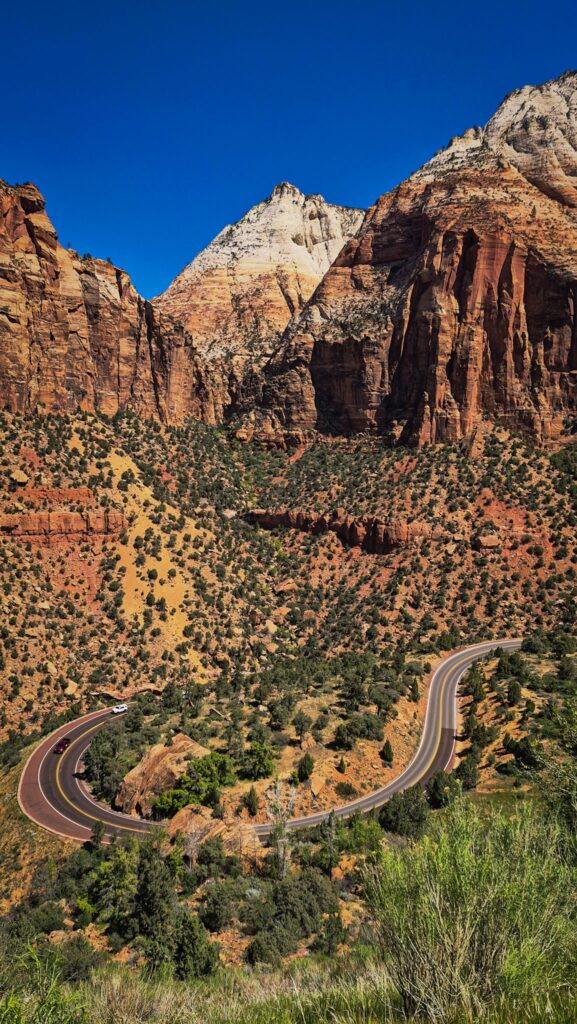
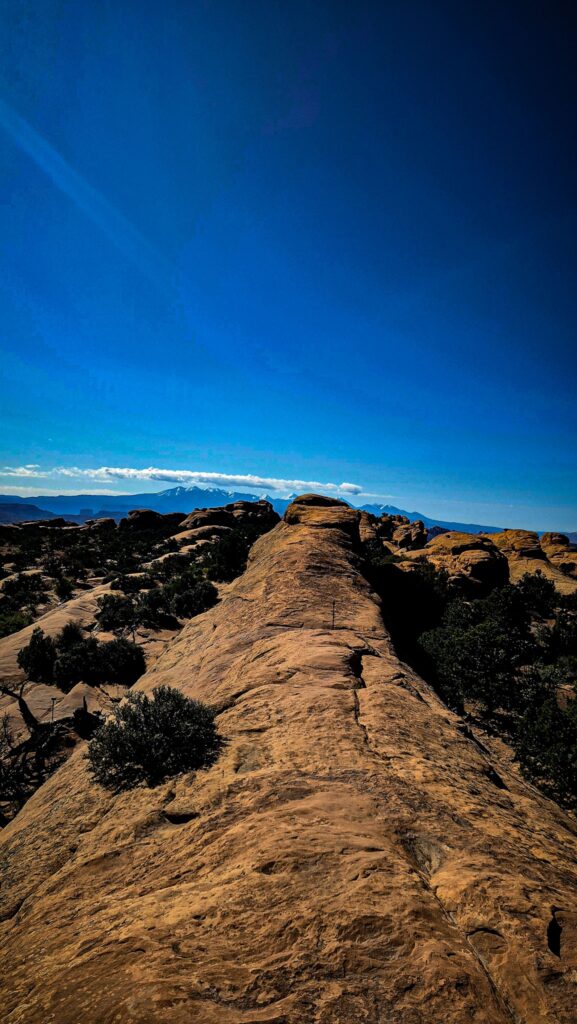
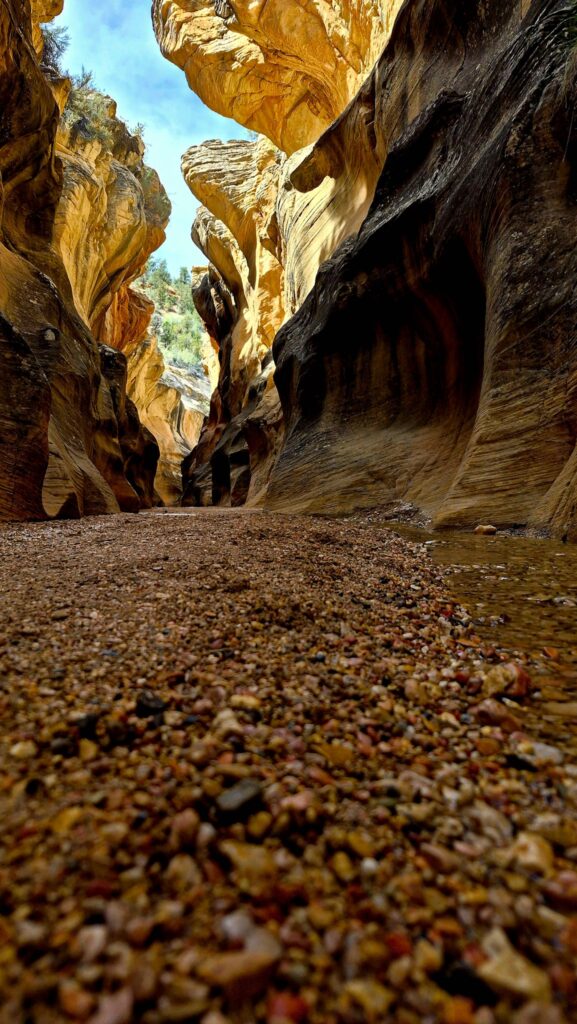
Utah was once a vast desert near an ocean. Due to the oxygen-rich surface water, the hematite oxidised more easily, and over time, red sandstone was created. Depending on whether other minerals are present in the mix, the oxidation colour deviates from the typical red: there is yellow, orange, or brownish earth. Added to this is bleached white: since sandstone is highly permeable, the hematite can be washed out further over millions of years until no pigments are left in the rock (you can find more details on the geology at Wilderness Commonsense).
We wanted to see this wonder up close. Our first destination: Zion National Park. The disillusionment at the entrance: people everywhere, no parking spaces, and traffic jams at the toll booths. Hiking? Unthinkable; we couldn’t even pull the car over for a moment to use the toilet. Of course, it was the weekend, which intensified the tourist crowds even further.
The curse of success from the Mighty-5 Campaign
Because unfortunately, it’s not just the colours that are spectacular—the crowds are too, as we quickly learn. Around 2013, Utah launched the Mighty 5 tourism campaign to attract more than “just” 6 million tourists a year. The goal was to ensure the state was no longer solely associated with the Mormons, but also became known as a nature destination.
Just three years after the launch, in 2016, as many as 10 million tourists visited these five famous national parks. The campaign was so successful that 10 years later, Utah is among the most famous nature destinations in the USA.
Following the pandemic, and thanks to the boom in nature and adventure tourism, numbers have settled at around 11 million annual national park visitors. Just under half—five million—visited Zion. Hence the massive turnout—and that is despite the fact that numbers are apparently slightly on the decline.
After being unable to use the toilet at the Zion park entrance, we pull over at another visitor centre along the way. Unfortunately, there is no parking space there either, but at least there is an open toilet and a small pull out.
On the rest of the drive, we try to focus purely on the rock formations—on the different shades of red, the waves and patterns in the stone shaped by the wind and water. Yet every tourist, including us, seems to claim a piece of the park’s magic for themselves, ultimately consuming it. What one day will remain is a lot of traffic, a lot of people, a lot of noise.
The permit system: a lottery paid for twice
It is only when we get to Utah that we encounter another mass phenomenon. Many hiking trails—both inside and outside the parks—require a permit. This allows the crowds to be managed and the resulting environmental damage to be minimised. In principle, it’s a good thing.The catch is that simply to get hold of this permit, you have to enter a lottery. To participate, you pay a small fee of around 10 USD. If you happen to be one of the few lucky winners of a ticket, you then have to pay all over again just to actually step onto the trail.
The boom in outdoor experiences has meant that access to nature must be treated restrictively, especially on spectacular routes. The masses of tourists, whether international or national holidaymakers or hikers, must be managed if we want to preserve these attractions for future generations.
However, the lottery website Recreation.gov is also facing criticism because it is run by a private contractor that pockets these non-refundable fees. The majority of the fees do not even seem to reach the parks where they are actually needed.
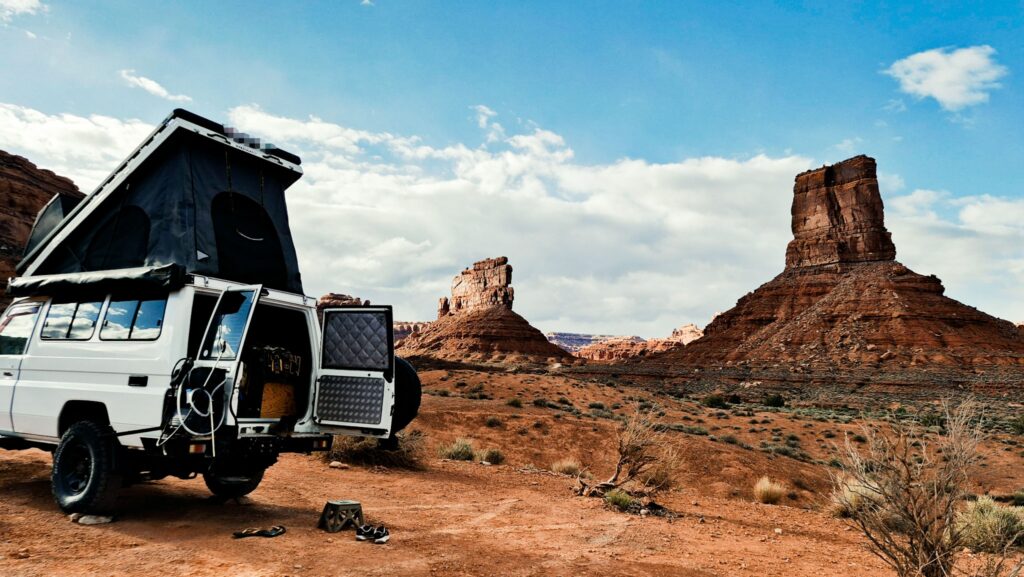
Utahs national parks require either a lot of patience or precise planning
We had heard about it, but experiencing it on the ground was more jarring than expected. The crowds, the permits that are far from easy to secure, and the need to plan months in advance changed the way we travel. Most of these permits are released in the winter. If you aren’t sitting directly at your computer to book them, the entire season sells out instantly.
There are 4×4 routes in Canyonlands National Park where we had heard from others that they were allowed to drive spontaneously—whereas we, at the start of high season, wouldn’t have found a single free slot until more than two weeks later.
Doing anything spontaneously is no longer really possible in the USA—certainly not if it is anywhere near a hotspot. There are still beautiful hikes that are accessible without any trouble, or other stunning landscapes, but you have to invest a lot more time to find them.
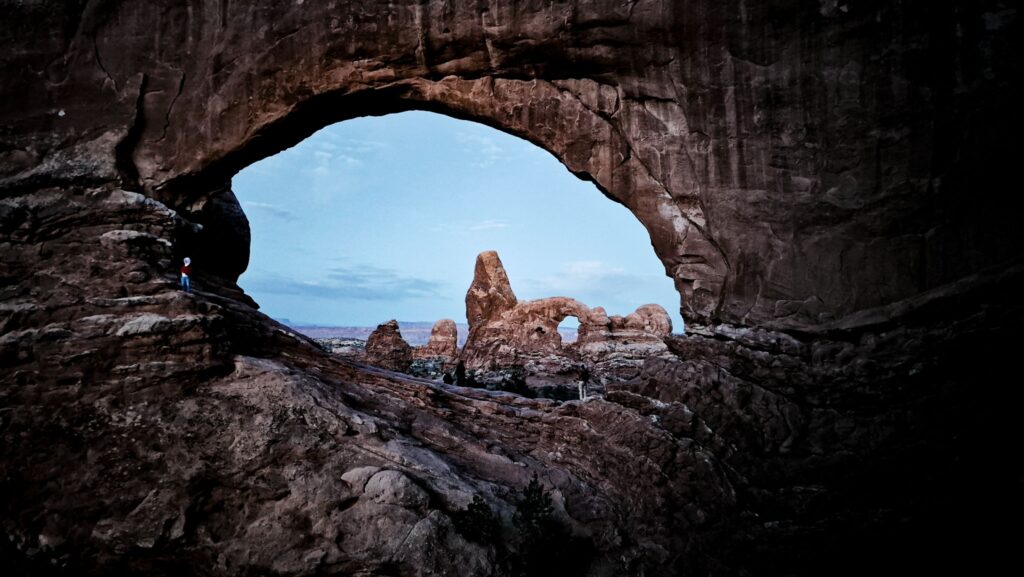
The conditions we encountered on the ground dampened our mood a bit as we travelled through Utah. Yes, the rock formations are impressive, especially in the right light when the sun is just rising. But photographing the stone arches in Arches National Park in the dead of night without any people requires split-second timing—and during twilight, it is near impossible.
In Bryce Canyon National Park, you have to be careful not to fall victim to an overly enthusiastic photographer who wants to get right to the edge and pushes through with full physical effort—after all, not the entire cliff edge is fenced off.
Yet just driving into a park spontaneously and deciding on a whim where to hike was out of the question. Although Easter had just passed, several park rangers confirmed that it was now this crowded all year round.
We adapted our route. We looked for alternative tracks, including backcountry roads, and steered clear of several major highlights. We skipped the Grand Canyon, just across the state border in Arizona, partly because the North Rim was still closed for the winter and completely inaccessible. A pity, as this more remote section would surely have been a highlight too.
Utah is and remains beautiful, but it is well worth travelling entirely out of season—especially in autumn before it snows. Because as soon as the snow lands, everything is closed for the winter until late spring.