

The snake winds itself beautifully around the tree trunk. Another poses on a lush green leaf, with the Arenal Volcano in the background. Simply incredible, the perfect coincidence – or is it?
We have often wondered how it is that animals in photos always pose so beautifully – mind you, wild animals.
The answer? It’s sobering: the animals are placed exactly where people want them.
The methods behind the photo

This practice is particularly common with reptiles. Photographers (including scientists) often capture the animals to photograph them in better light or from specific angles. Some simply reposition the animal to get it into the “right pose”. Depending on the objective (e.g. scientific photography), this can be justified.
With cold-blooded animals, there are particularly questionable methods: when they are chilled, they hardly move. There are even reports of limbs being suspended by threads. A famous photo of a frog riding a beetle was likely staged this way, as the two species are not active at the same time of day.
The reality of wildlife photography
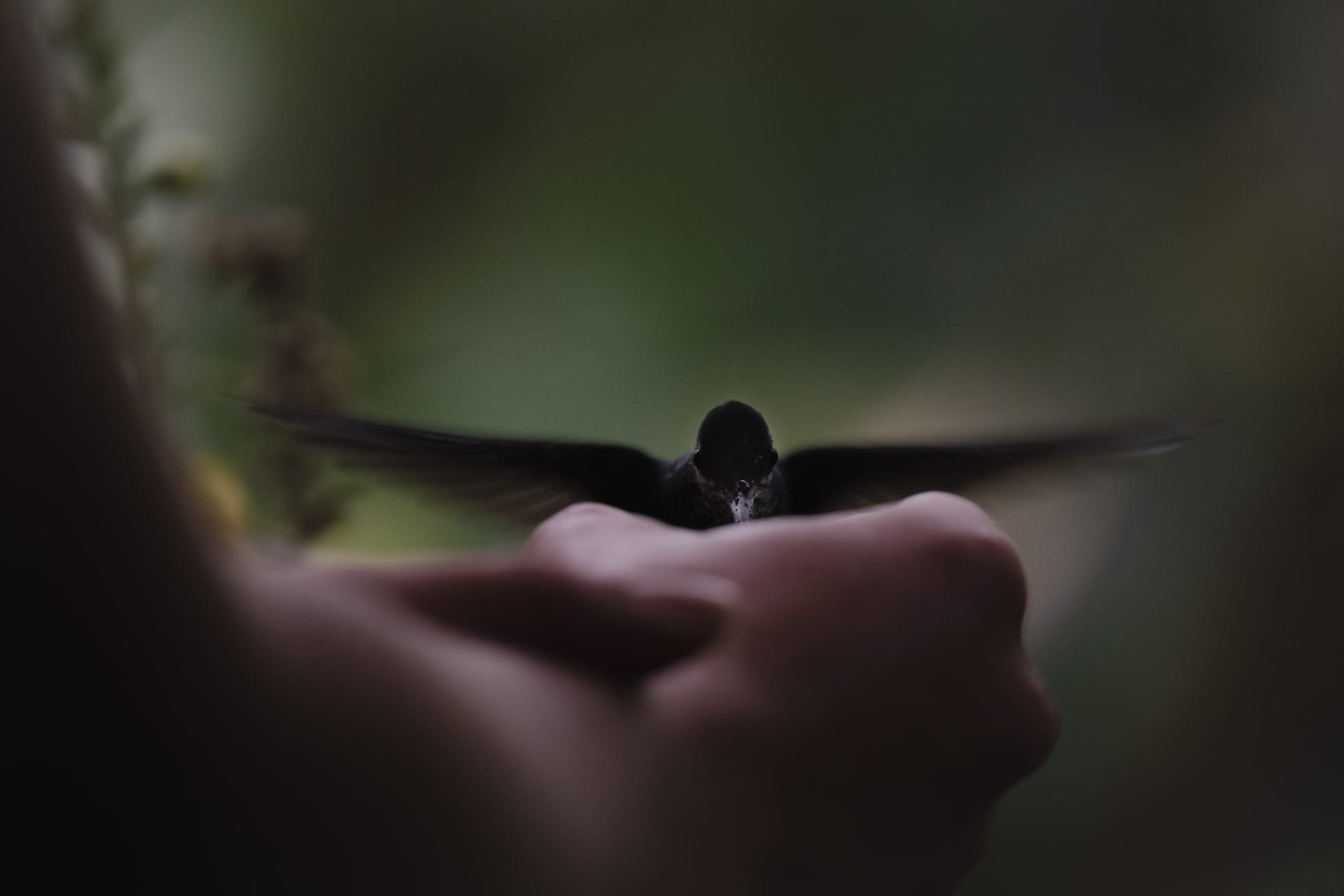
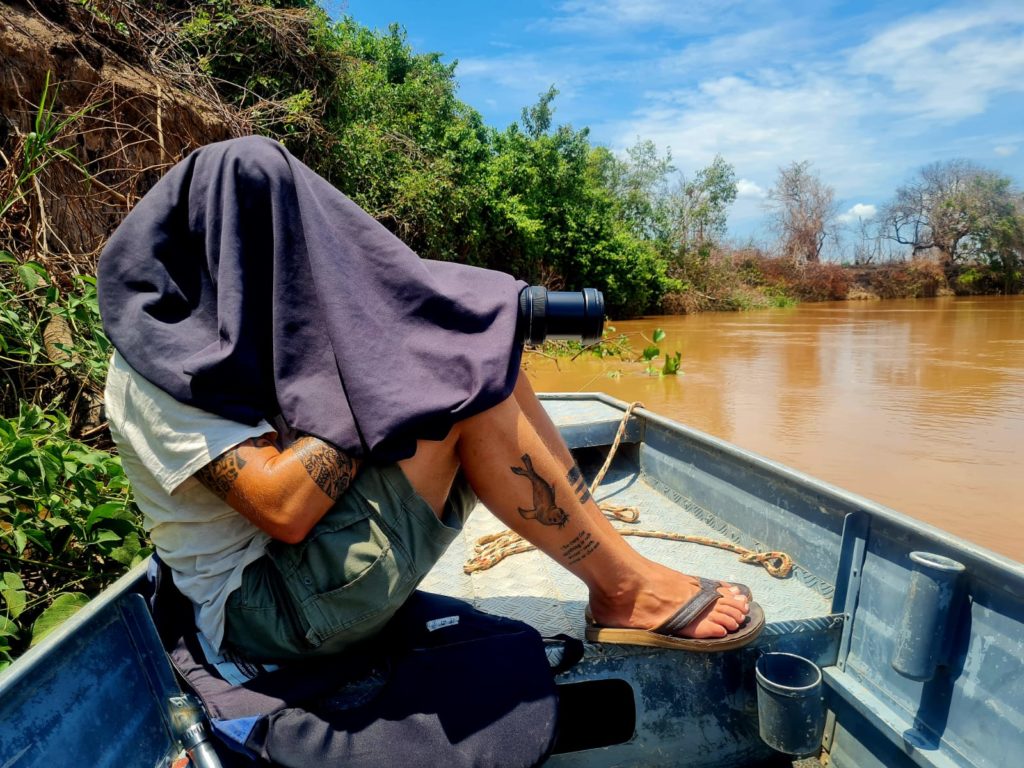
Authentic wildlife photography is not a comfortable hobby. It involves hours of searching and waiting in all weathers: heat, extreme humidity, rain, storms, or snow. Above all, you need a great deal of luck.
When you do see – or find – an animal, you have to be quick and master your equipment. Most photos are unusable; only a very few result in a unique image after processing (adjusting light and colour, not Photoshop).
Staging for tourism
Bringing a jaguar into the right position in the wild is difficult – if not impossible. To give tourists a guaranteed sighting, providers resort to aids. Feeding stations are far more common than one might think.
We have also been offered a guaranteed sighting of a “wild” ocelot, or taken to a feeding site for tapirs; even the Orinoco crocodile is fed regularly so that it remains within the national reserve and isn’t killed outside its borders.
Feeding stations for birds are found almost everywhere: Bananas and sugar water are popular choices.
As long as tour operators can guarantee sightings, their income is secure. This leads to a dangerous set of expectations. Tourists want “wildlife photos”. In Costa Rica, the practice went so far that sloths, for example, were taken down from trees just for a “wildlife selfie”. The government launched an awareness campaign in 2019. Perhaps it helped. We didn’t experience anything of this sort ourselves, but we read about it.
With snakes, however, we witnessed a different side of the story.
The business of “perfect” nature
In Costa Rica, we came across a particularly negative practice: a photographer told us about providers who carry snakes around in boxes to position them in the perfect spot. We also came across a post on Facebook denouncing this exact practice.
And why? Simply to offer tourists the perfect picture. It would quite frankly be too exhausting to spend the night in the jungle without a guaranteed find – plus, you can’t see the volcano at night.
Unfortunately, this practice is quite widespread – even in countries like Costa Rica, where animal welfare is supposedly a high priority. What can then be expected from other countries that hardly care about it at all?
Beauty takes time
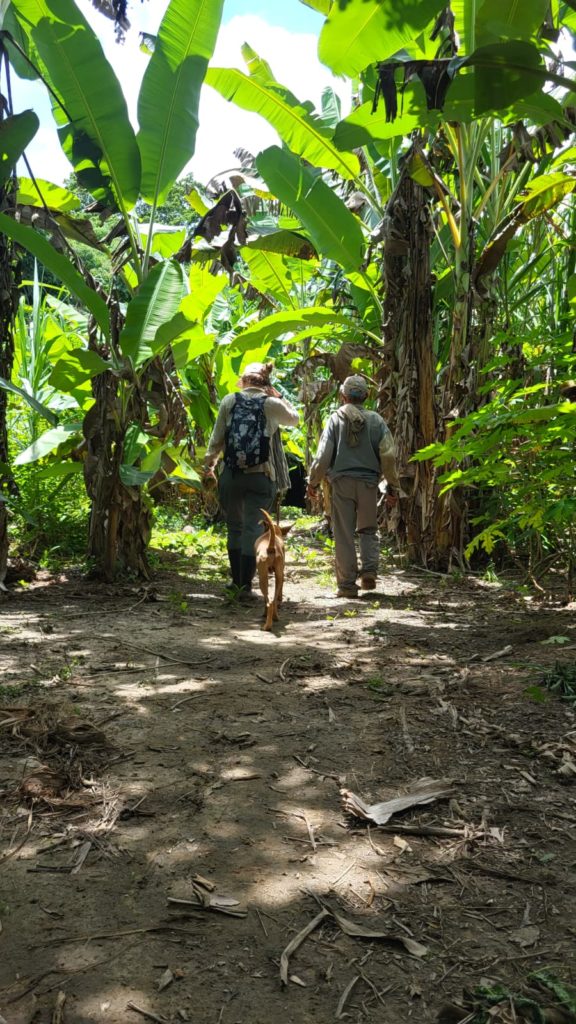
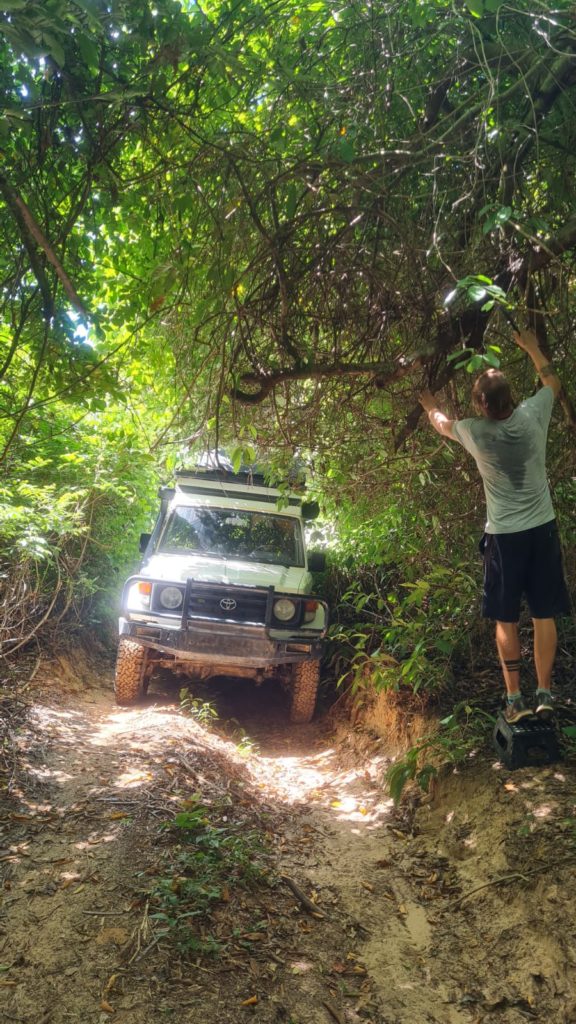
It is frustrating to see tourists paying for this staged reality. For us, it remains incomprehensible. We have often searched for days in vain. There are many animals we would have loved to see; but even in places with a high population density, a sighting in the wild is never guaranteed.
You often only see Michael’s beautiful photos. Behind them lie hours and days of work. We do already have many photos now, but we have also been on the road for a long time. To expect to take such shots during a two-week holiday without “assistance” is simply unrealistic.