


When conservation becomes a business
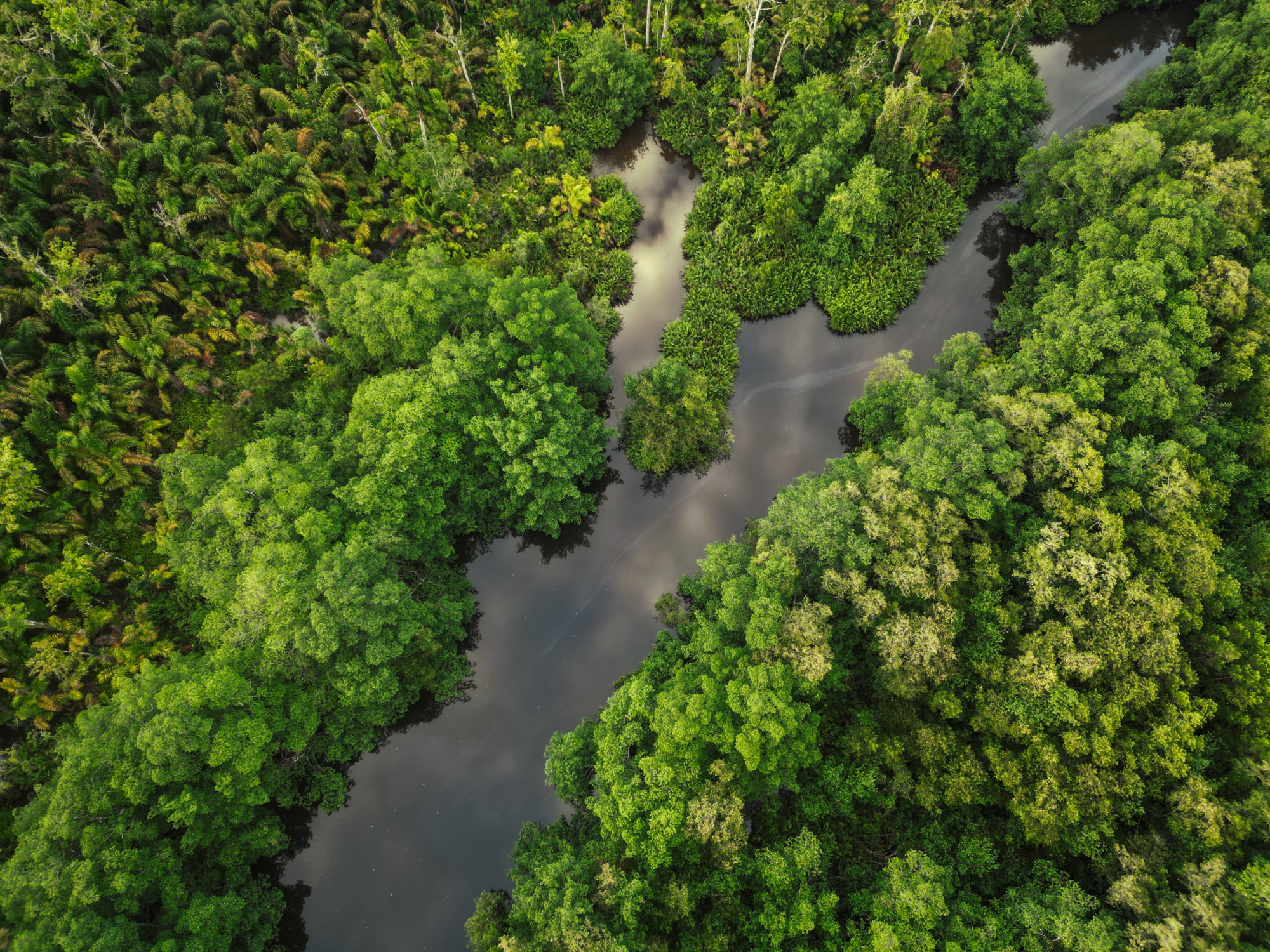
Costa Rica boasts pristine jungles, long beaches, two warm seas and hundreds of refreshing waterfalls. It enjoys a very positive reputation abroad as a pioneer in sustainability and the protection of its fauna and flora. In 2024, 25.5 % of the country’s land and 31% of its sea were under some form of protection.
It sounds like an advertisement from a travel magazine.
Some aspects of Costa Rica’s image are certainly true: there is barely any litter, and we repeatedly see animals as we drive through beautiful forests. Yet it is not entirely consistent.
The role model: Forest and Wildlife
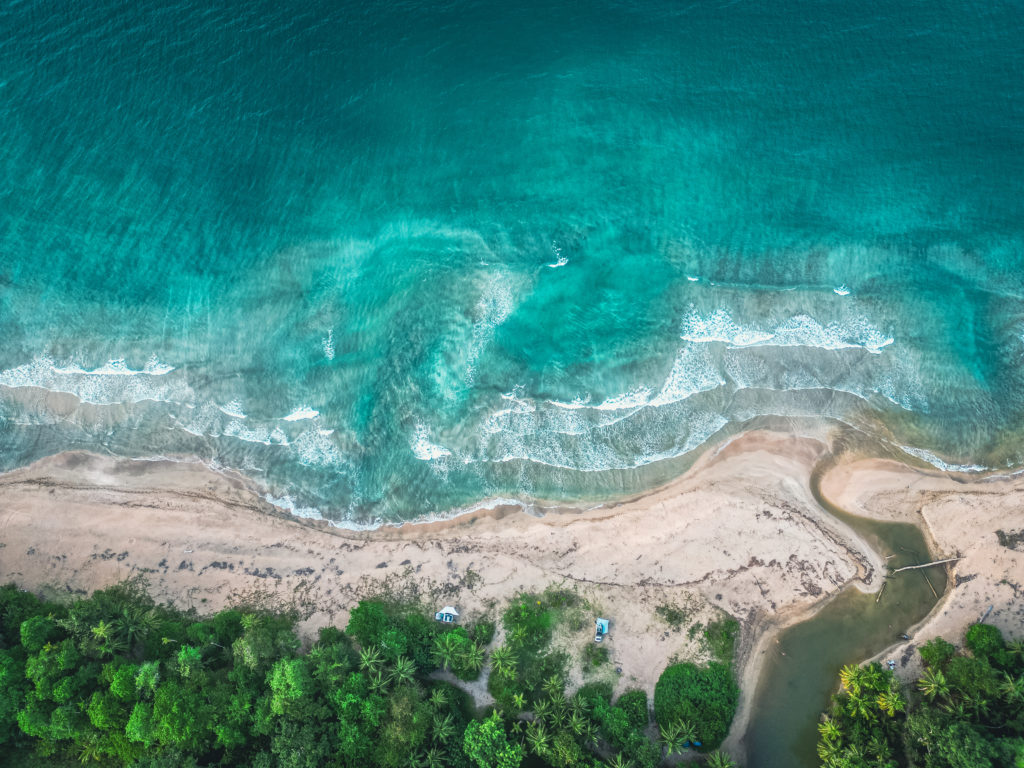
According to the latest calculations, Costa Rica increased its forest cover by almost 20 percentage points to reach nearly 60% in 2022, following deforestation in the 1970s. (World Bank, Radio UCR). The country has established protected areas across the nation, including those managed by private landowners.
This creates a habitat for wild animals. And the animals are not fearful, but rather curious. They come close, but they do not attack. Costa Rica has managed to ensure that monkeys and raccoons are not fed indiscriminately; so the animals let you get close, but do not attack. We were able to observe Capuchin monkeys eating up close for a while. In many national parks, it is prohibited to bring food and it is strictly controlled at the entrance.
Success Stories in Species Conservation
People are also less afraid of animals. This is particularly noticeable with snakes. Costa Rica is home to an estimated 147 species of snake, 25 of which are venomous. There is more widespread knowledge about the animals, perhaps because there are so many nature guides who make a living showing them to tourists. In any case, more people here — even ordinary people who have nothing to do with snakes — tell us that they do not kill them. Some try to shoo them away; others simply leave them alone, knowing they will eventually disappear.
Nevertheless, many snakes are still killed here, especially venomous ones. Interestingly, people can even distinguish between them. There are many species preservation projects, and certain animal populations have increased, such as the great green macaw and the scarlet macaw.
The Dark Side: Sharks as ‘Commercial Animals’

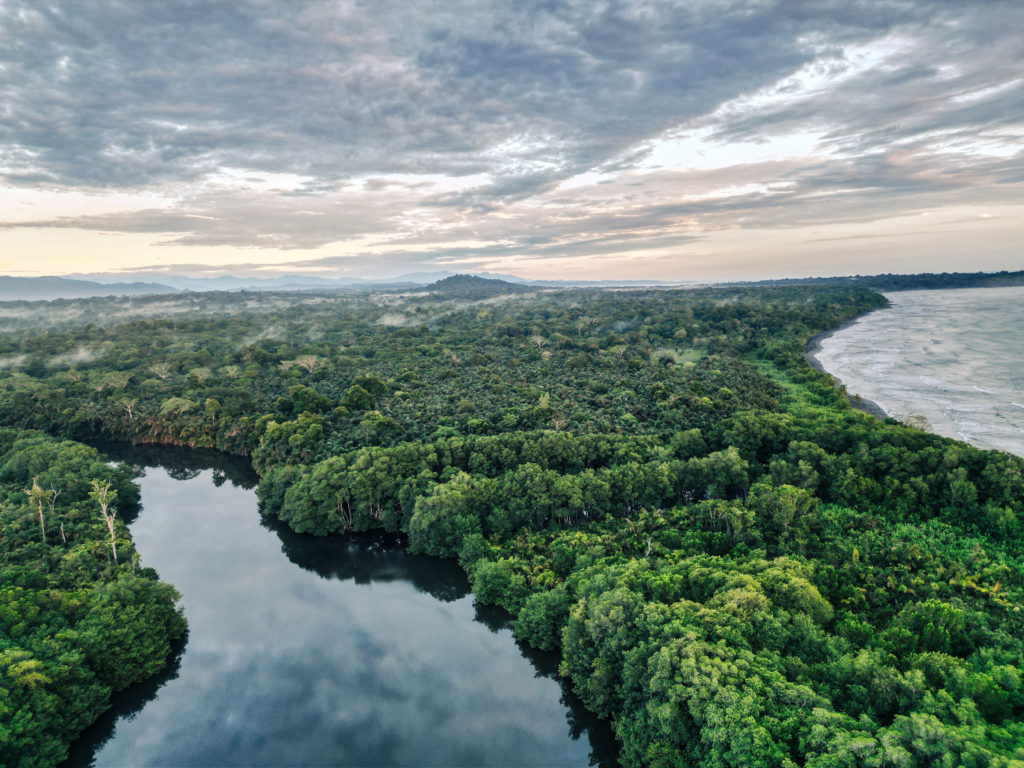
Not all that glitters is gold. Here, too, nature conservation and the economy compete for dominance. Some examples:
Although sharks are protected, they are often caught as bycatch and subsequently sold. Between 2015 and 2020, 14 tonnes of shark fins were unloaded in Punta Arenas, most of which were exported to China. In 2017, the species was reclassified as a commercial animal rather than a wild animal, meaning it fell under fishery law. Although the Supreme Court declared this illegal, nothing has really changed (Mongabay).
There is also a risk that captured animals will be declared as re-exported, meaning the sharks will supposedly come from Nicaragua and only pass through Costa Rica en route to third countries. However, conservationists assume that the majority originate from Costa Rican fisheries.
In September 2025, fishermen took to the streets in San José to protest against a provisional export ban. A month later, the Administrative Court overturned it. Nature conservation, particularly marine conservation, remains a permanent contradiction in Costa Rica – the situation is not as positive as it is perceived abroad.
Are they a delicacy or a protected species? The paradox of turtle eggs
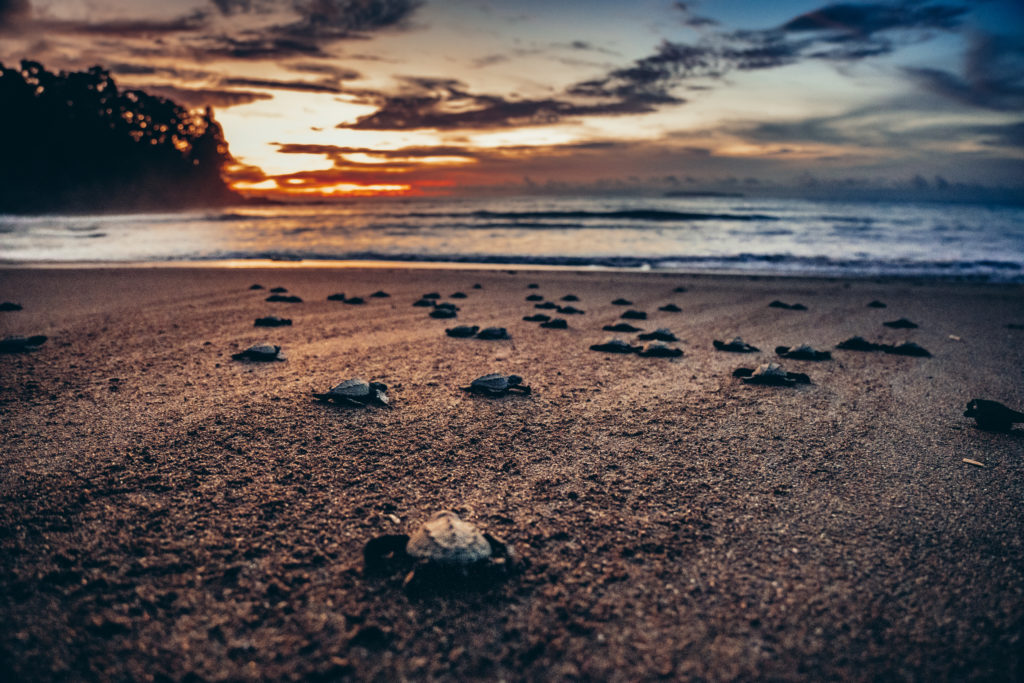
When travelling to Costa Rica, one of the first things you will see are images of freshly hatched turtles making their way to the sea. Turtle season occurs at some point each year almost everywhere in the country. There are hundreds of protection projects as sea turtles are a protected species.
However, turtle eggs are readily sold on the market, albeit not necessarily in tourist areas. The reasoning is simple: in some places, so many turtles arrive that subsequent arrivals destroy the nests. Since these eggs would otherwise be lost, it is better to collect and sell them.
This, however, leads to the eggs being considered a delicacy and being plundered at many other locations. To counter this, countless protection projects rely on volunteers. This creates another problem.
The business model of ‘voluntourism’
Volunteer work has now become a lucrative industry in its own right. People come from all over the world and pay large sums to patrol the beach at night or release turtles. Meanwhile, hardly any local staff are employed, let alone hired, despite the high cost of living here and the low wages they receive.
Volunteers are the best new source of income: they work and pay for the privilege.
Expensive nature: Who can afford it?
Nature is a growing economic factor in Costa Rica. Unfortunately, we have reached a point where everything comes at a cost. In Europe, national parks are usually accessible to the public without an entrance fee. Here, the opposite is true. Entrance fees are charged everywhere, sometimes as little as US$5 and sometimes as much as $25.
These seem like small amounts and are manageable for the average tourist. But what about the locals? They have to pay for everything, too.
I believe the European view that nature should be accessible is better. For us, it mostly means that even a short walk costs money. There are places where there is no free alternative.
In Costa Rica, access to beaches and waters can no longer be blocked. Beaches and rivers belong to everyone. Waterfalls are free to visit if you walk through the water to reach them – obviously not always possible. On the beach, there are parks where a donation rather than an official entrance fee may be requested. Otherwise, the beach would not be accessible.
Nature here is a business model. This is also the case in other countries, but I feel it is more extreme here. Here is an interesting study on park entrance fees. Costa Rica is mid-range. Only a few Balkan countries and Croatia were included from Europe. These were also the only countries where I found national park entrance fees in a quick search.
I find myself torn between what has been achieved and the cost. Because here, nature is no longer necessarily accessible to everyone – at least not to those on a tight budget.