


Encounters with Costa Rica’s primates
We see “big monkeys” all the time – after all, we’re all guilty of making a monkey out of ourselves every now and then. But those that actually still swing through the treetops are, sadly, becoming fewer and farther between.
By now, we’ve reached the north of Central America, and here they have become a rare sight. Since crossing the border from Costa Rica, we haven’t spotted a single monkey – we haven’t even heard one. Reason enough to look back wistfully at our time in Costa Rica, where we were lucky enough to observe all four native monkey species, some of them on multiple occasions.
Capuchin: grumpy and intelligent
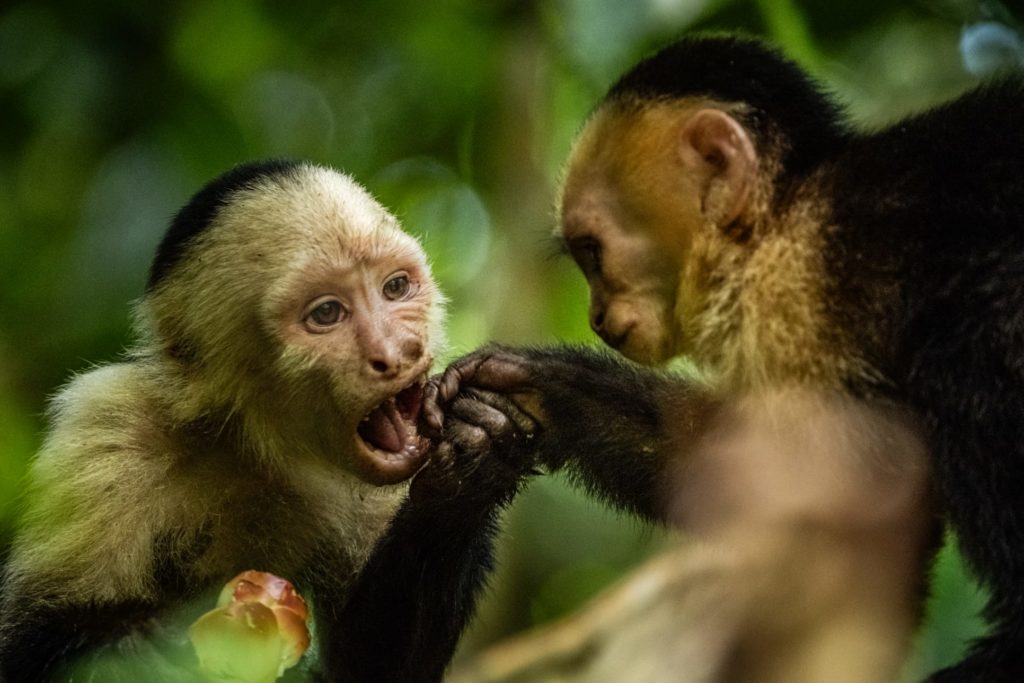
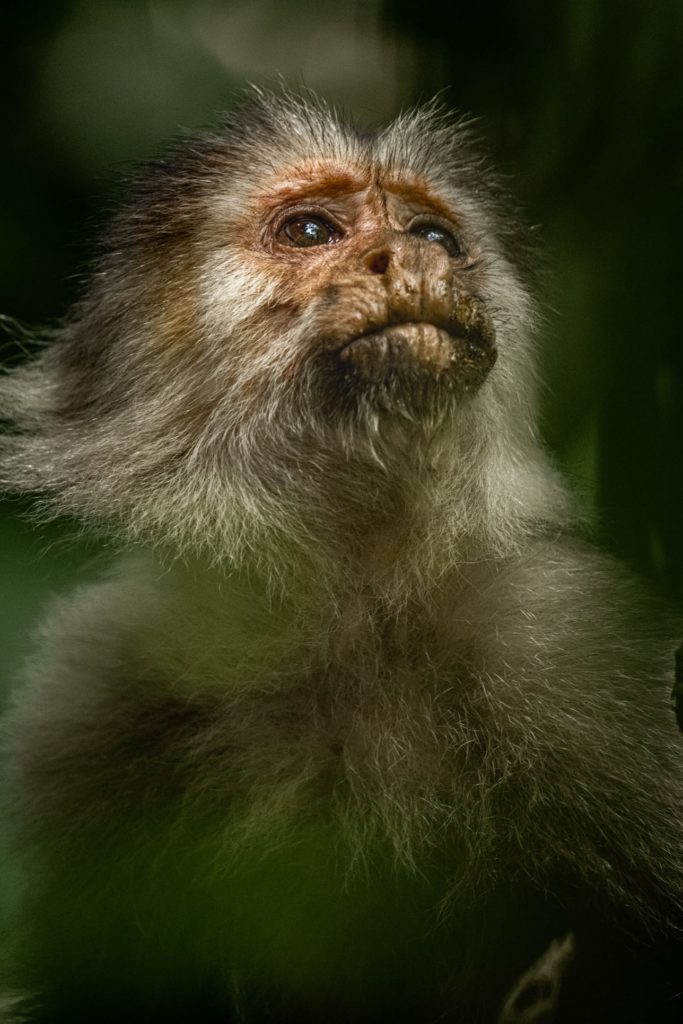
They usually look a bit grumpy, but curiosity almost always wins the day: Capuchin monkeys (cebinae). Their habitat stretches from Central America down to Northern Argentina. They owe their name to Portuguese explorers, who felt the monkeys’ colouring resembled the cowls worn by Capuchin friars.
It’s fascinating to note that Capuchins have quite a large brain relative to their body size. Scientists attribute this to their complex foraging techniques. They are extremely adaptable and skilled tool users – we watched them feeding time and again, even seeing them tuck into coconuts.
Squirrel monkeys: cheecky and fast
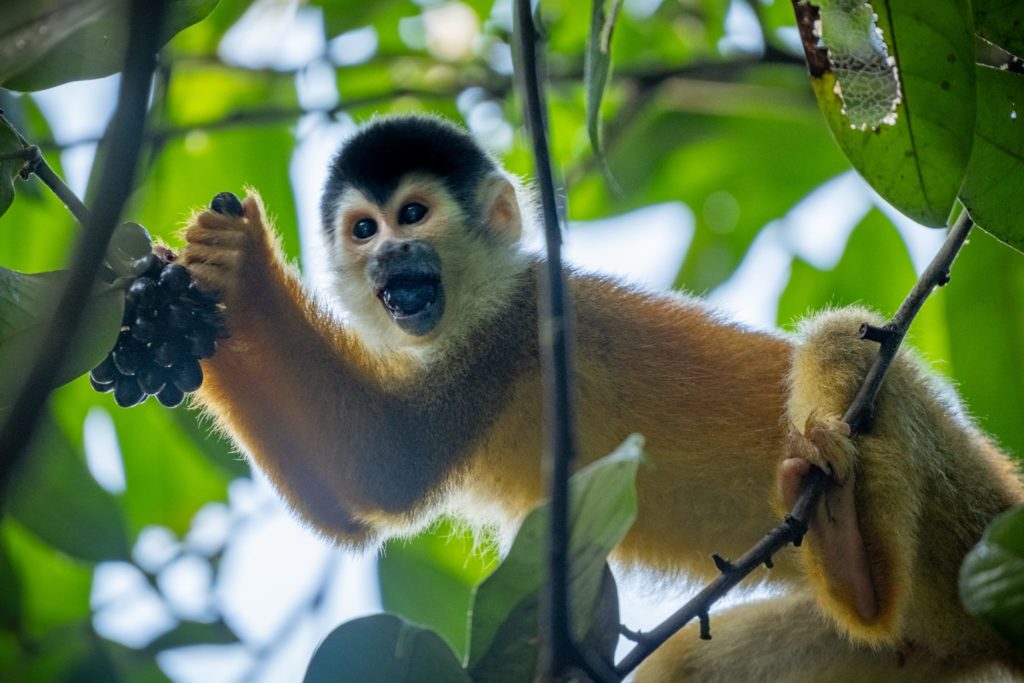
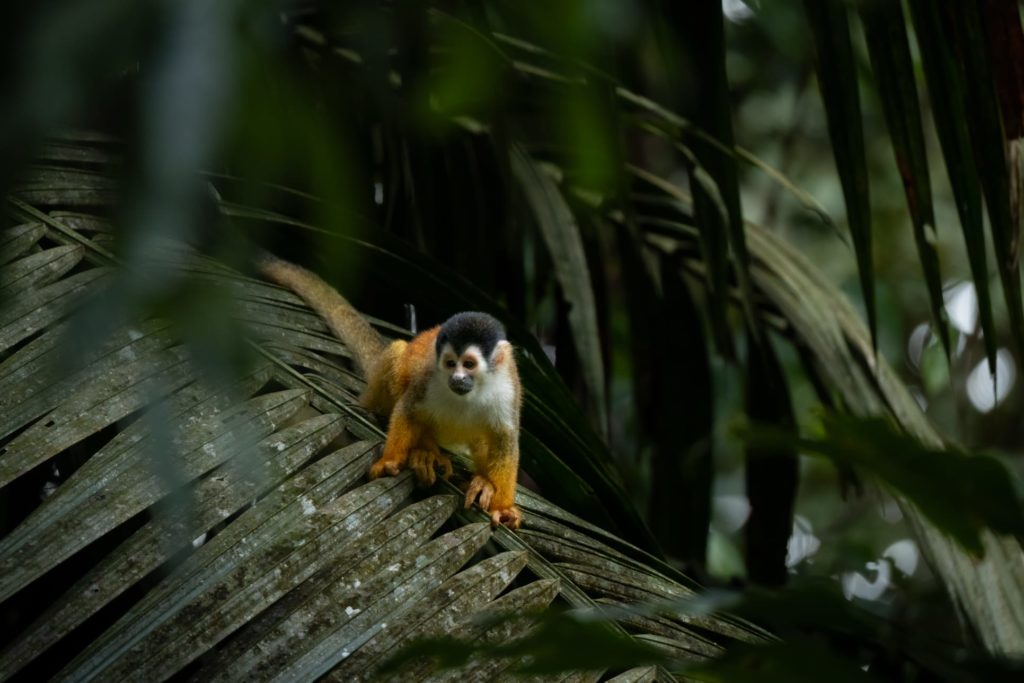
Squirrel monkeys (saimiri) are cheeky, incredibly fast, and relatively small. Their name is of Tupi origin, sai meaning monkey and mirim is small.
Watching them play is pure joy. They are lightning-fast at hunting insects, which make up the bulk of their diet, though they won’t say no to fruit, eggs, or small vertebrates. Harmless as they may look, they are actually tiny predators! Sadly, they are highly endangered due to massive deforestation across Central America.
Howler monkeys: loud and leisurely
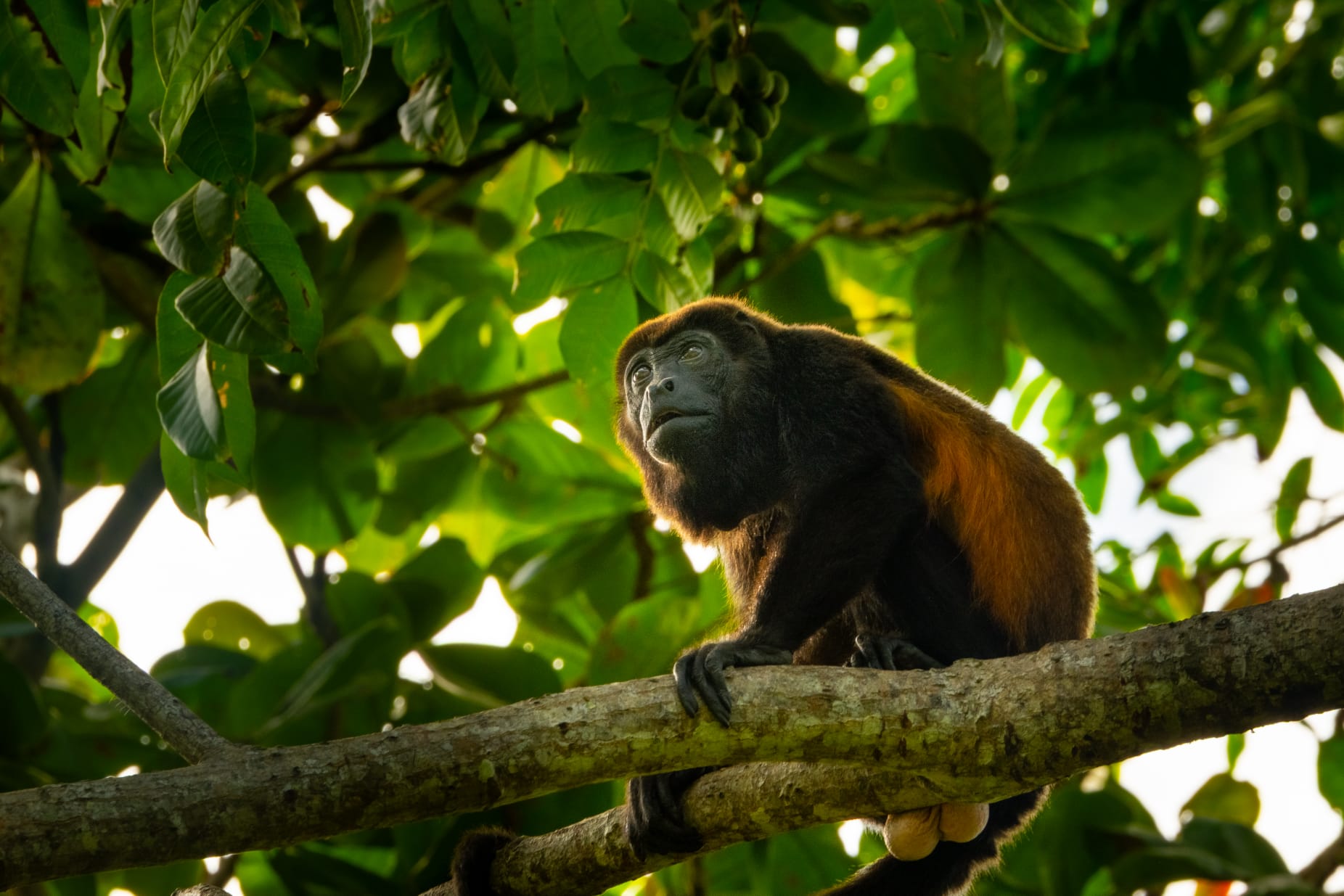
You often hear them long before you see them: the loud Howler monkeys (alouatta) frequently served as our natural jungle alarm clock at four in the morning. After the Woolly Spider monkeys (brachyteles), they are the largest monkeys in the New World.
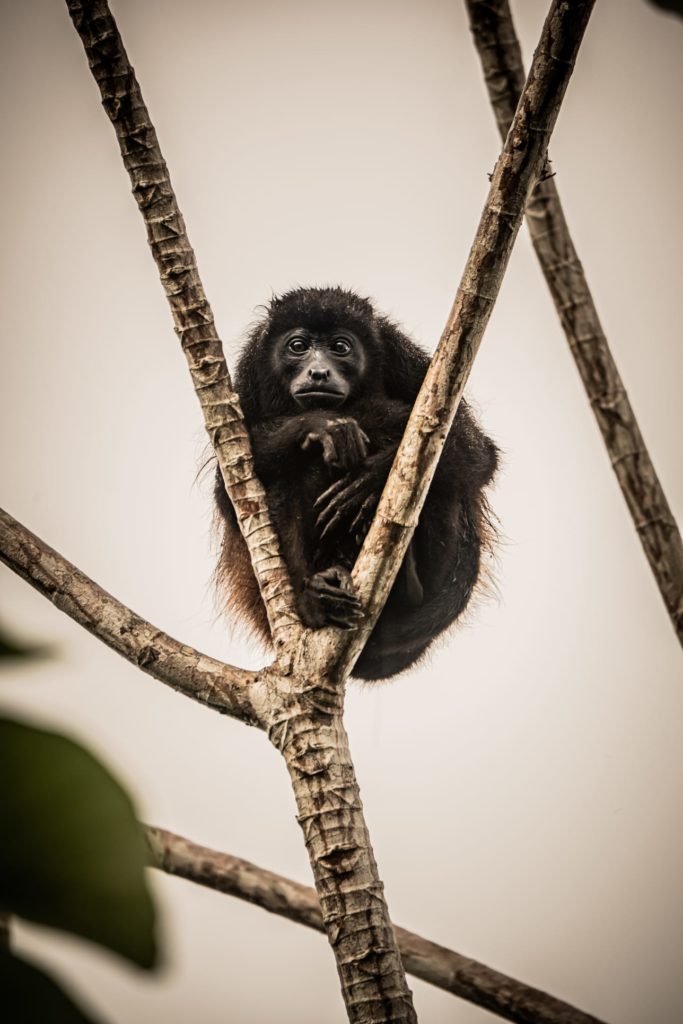
A fascinating detail: They are the only New World primates to have developed trichromatic colour vision (similar to us humans). Their namesake roar, which can be heard for several kilometres, is used for communication between different groups. This makes them officially the loudest land animals on Earth! Despite their leisurely pace, they are expert climbers and often use their prehensile tail as a “fifth hand” – strong enough to support their entire body weight during a leap.
Spider monkeys: elegant and agile
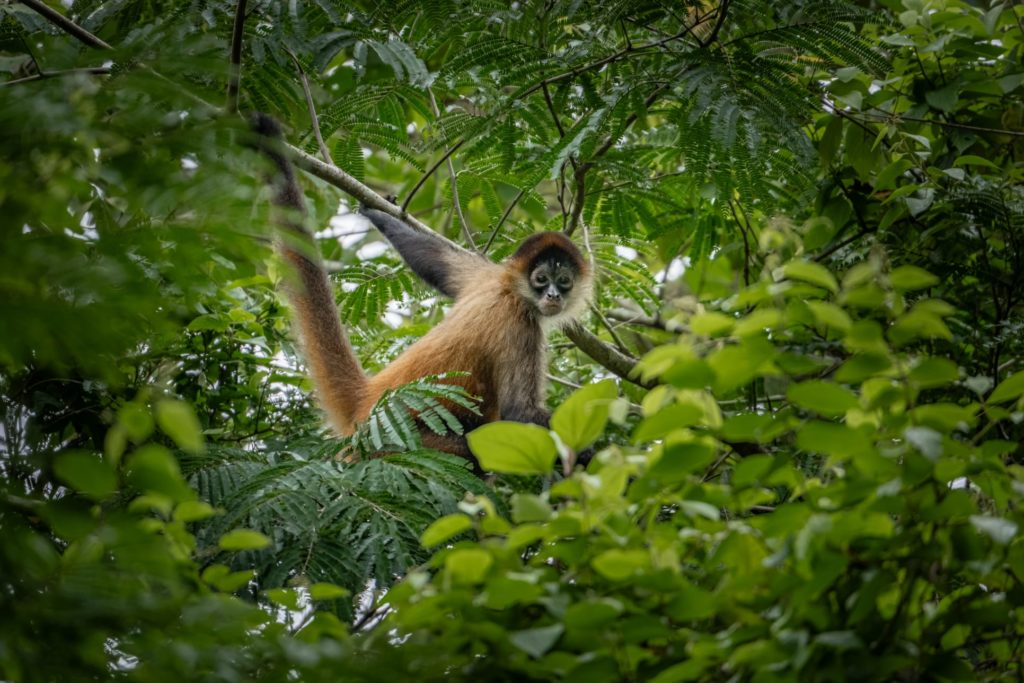
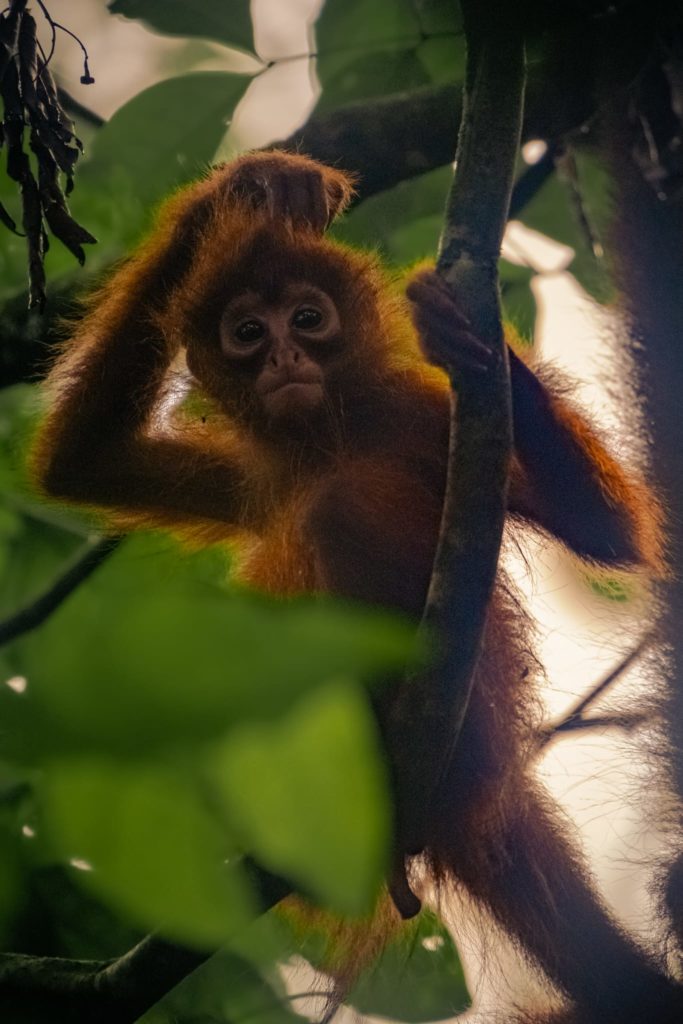
Spider monkeys (ateles) are Michael’s absolute favourites.
It’s mesmerising to see how elegantly, quickly, and nimbly they swing through the canopy or simply hang casually from a branch, peering down curiously at what’s happening on the ground. However, the situation for these beautiful animals is dire: they are almost exclusively found in primary forests. Due to habitat loss and hunting, the IUCN now lists all species of Spider monkey as endangered.
For me, monkeys are definitely animals I could watch for hours on end – no matter how many times we’ve seen them before. And honestly? Even that loud roaring at 4 am has become something quite beautiful and comforting to me. It’s the sound of the wild, and I truly hope we get to hear it for many years to come.
More similar posts:
Places of the Future IV: Pygmäenaffen